As we plan the new year ahead of us, we recognize the historic achievements of Mount Sinai and honor the tremendous work undertaken by the Icahn School of Medicine and the Health System. You will notice that there are fewer references to our deep history in this year’s milestones because we have grown at a super exponential rate in the past 25 years. This year, we’re celebrating the following events…
1850 (175 years ago)
St. Luke’s Hospital Board filed incorporation paperwork, and the charter for the hospital was signed.
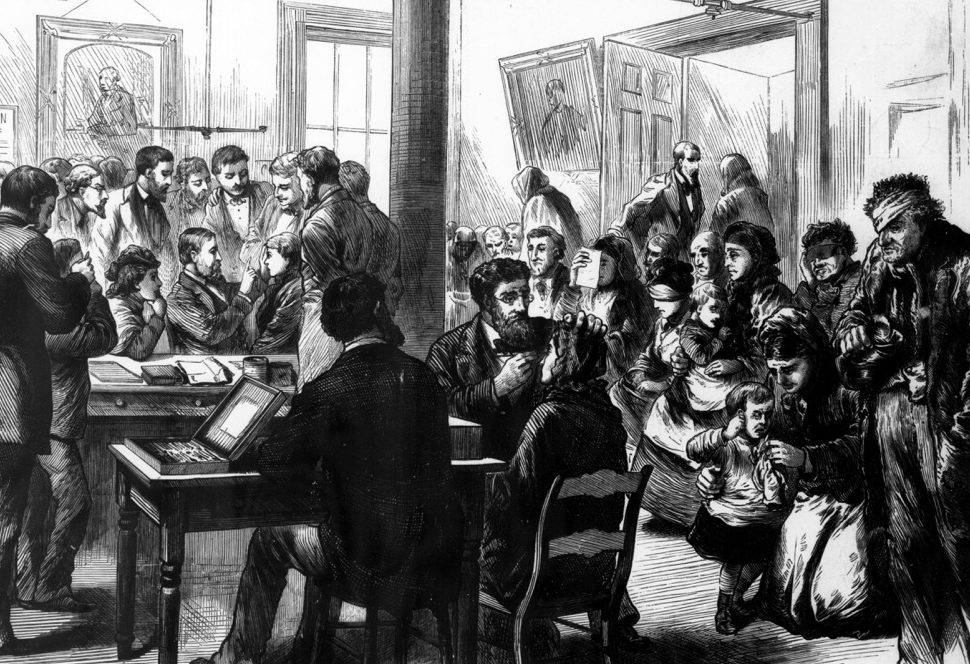
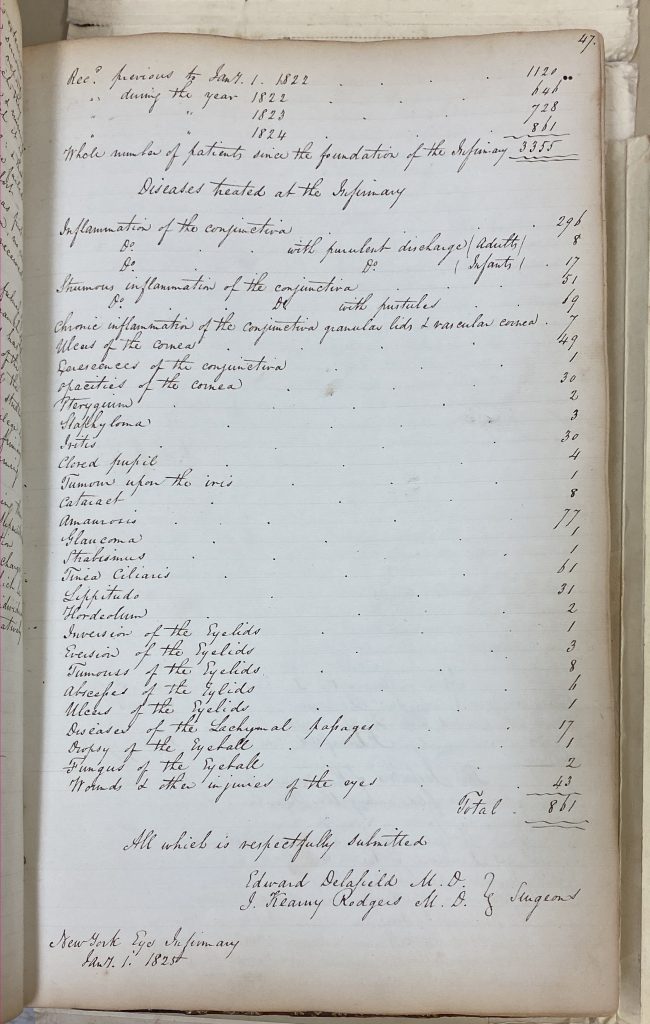
David Kearny McDonogh, MD, born into slavery, was the first Black American Ophthalmologist. He changed his middle name in honor of his mentor, John Kearny Rodgers, MD (founder of the New York Eye Infirmary, now the New York Eye and Ear Infirmary of Mount Sinai, with Edward Delafield, MD). They worked together for 11 years at the New York Eye Infirmary.
New York Eye and Ear Infirmary depicted decades later in Frank Leslie’s Illustrated, 1875
1875 (150 years ago)
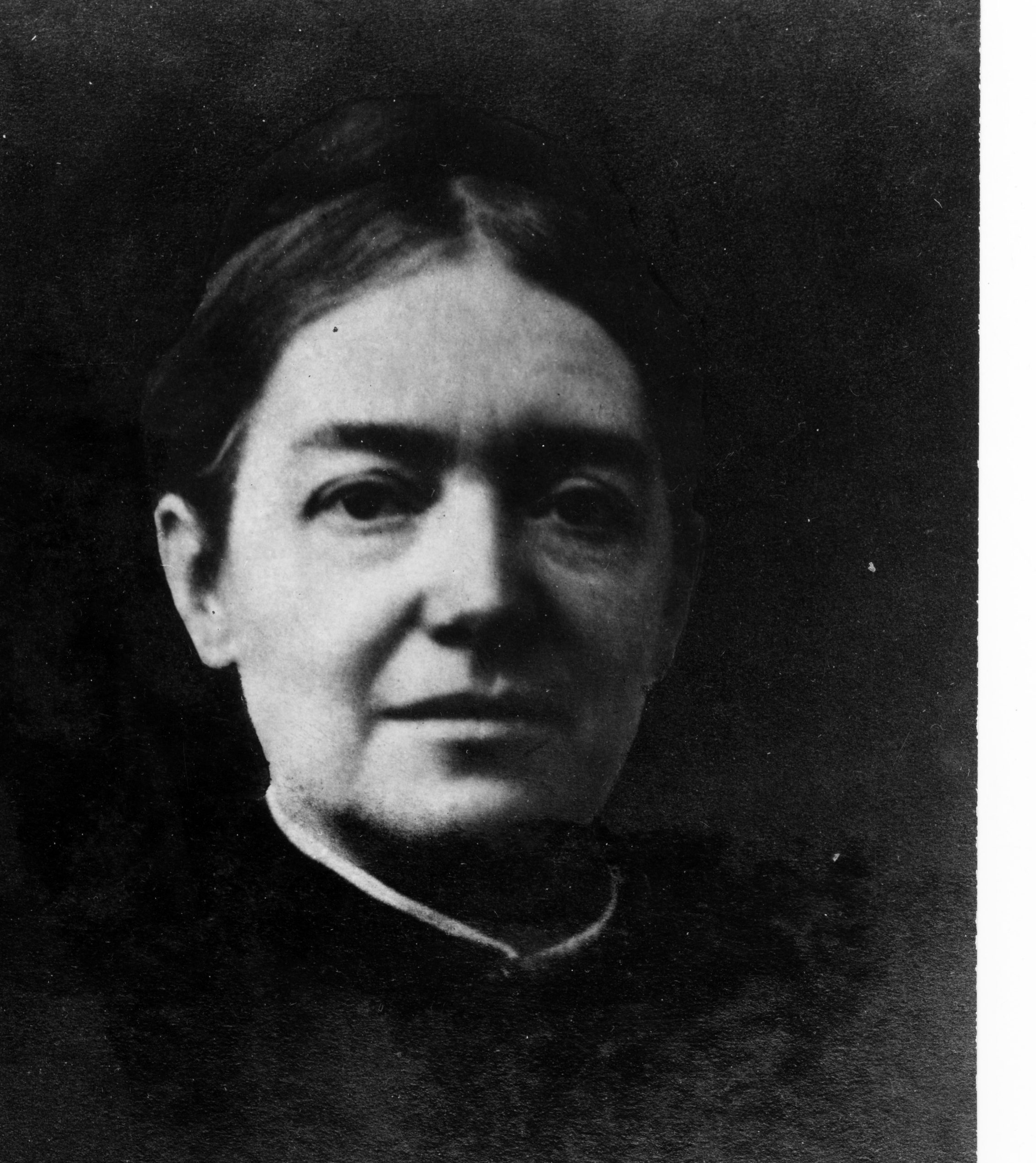
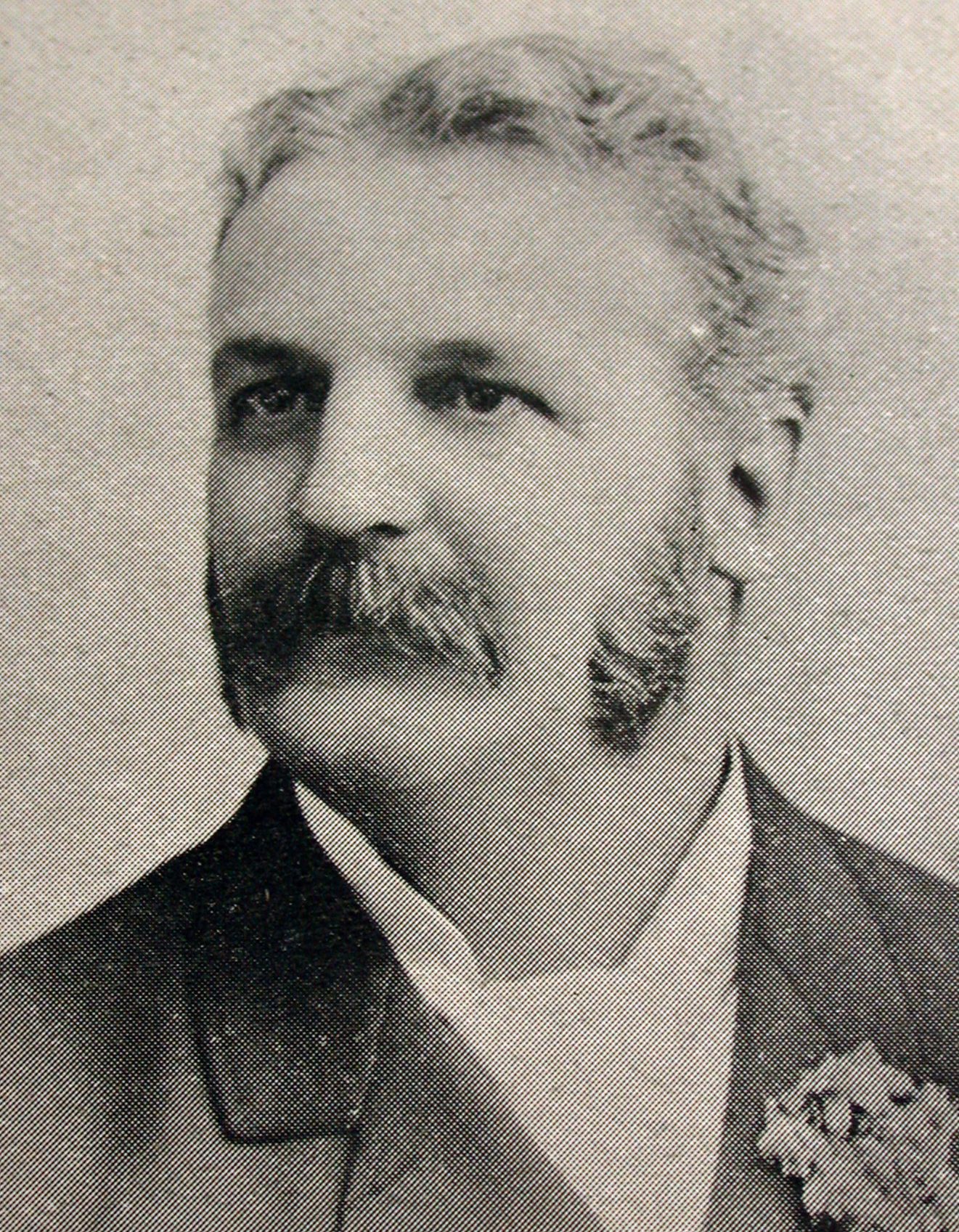
The Mount Sinai Hospital’s formal Outpatient Dispensary Staff was established with Mary Putnam Jacobi, MD, heading the Children’s Clinic and Paul F. Mundé, MD, leading the Gynecology Clinic. Medicine and Surgery also created separate outpatient clinics.
Mary Putnam Jacobi, MD (1842-1906)Paul F. Mundé, MD (1846-1902)
1900 (125 years ago)
The Mount Sinai Hospital Dermatology Service was created under Sigismund Lustgarten, MD.
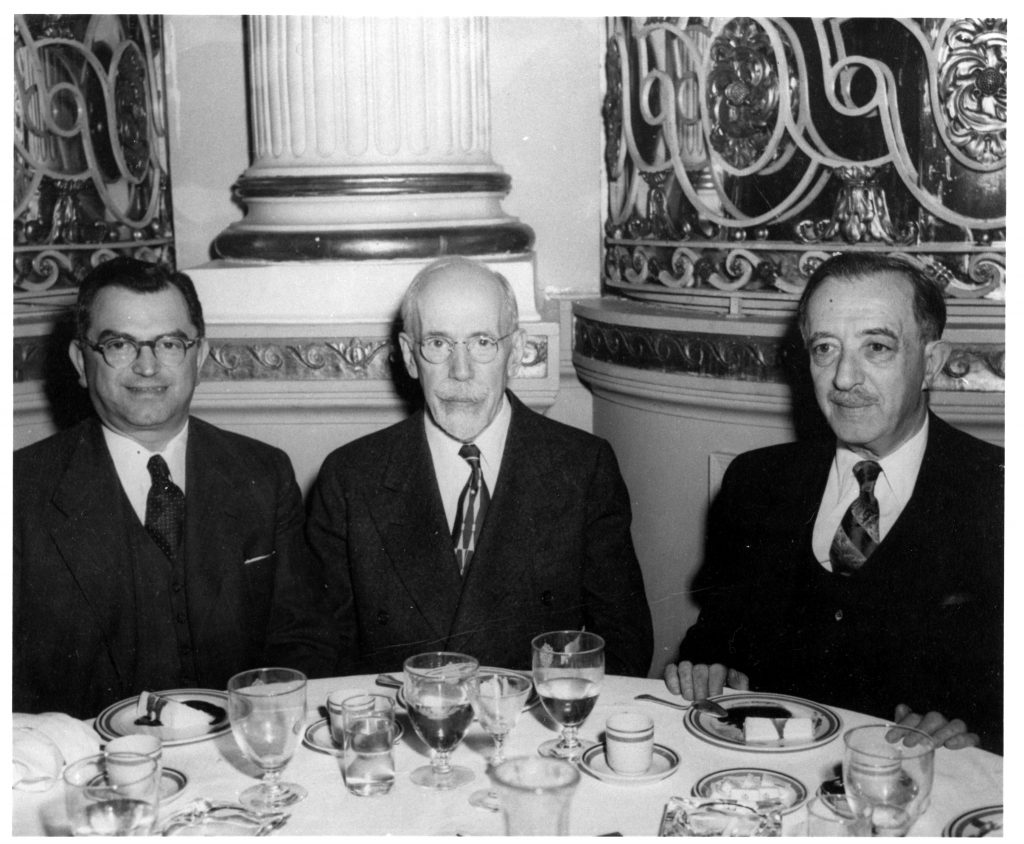
The Mount Sinai Hospital established the first Neurological Service in a New York hospital.
Early Neurology Chiefs (left to right): Morris Bender, MD (1951-1974), Bernard Sachs, MD (1900-1924), and Israel Wechsler, MD (1938-1950)
The Mount Sinai Hospital purchased its first X-ray machine, which was placed in the corner of a synagogue.
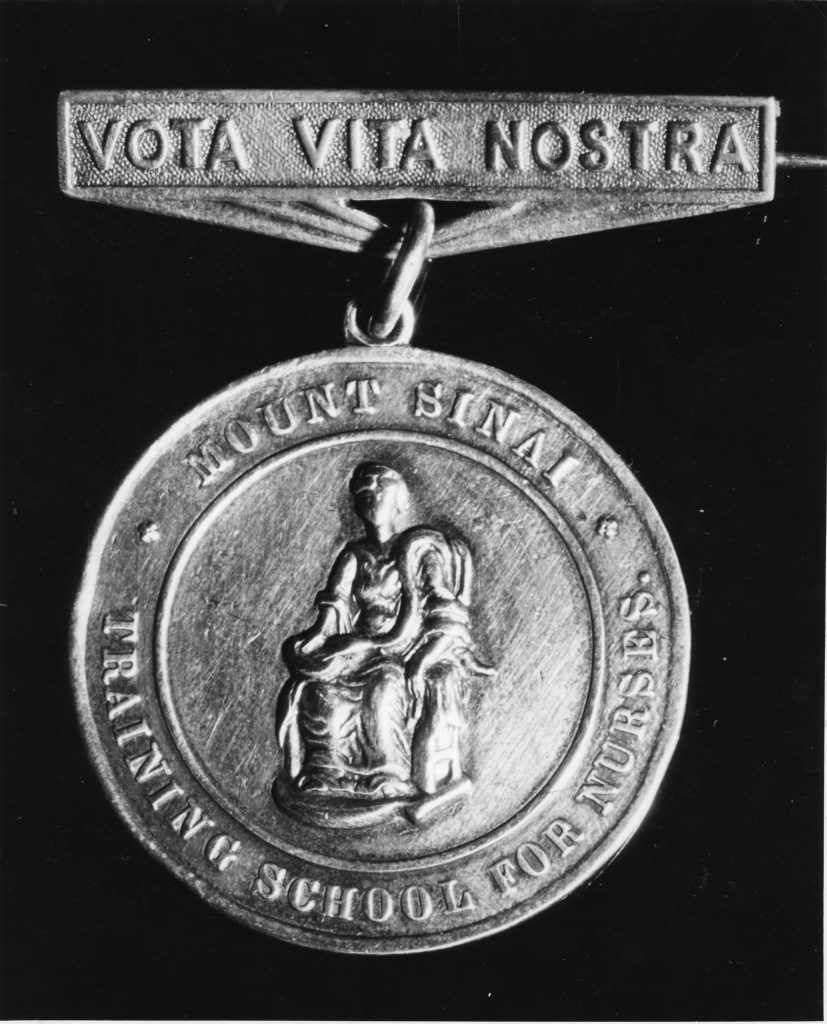
Gold medal awarded to The Mount Sinai Hospital Training School for Nurses (later renamed The Mount Sinai Hospital School of Nursing in 1923) at the Paris Universal Exposition, for excellence.
Graduate pin, circa 1890s to 1922
1925 (100 years ago)
To allow for continuous support, The Mount Sinai Hospital created a permanent fund to provide an endowment for research.
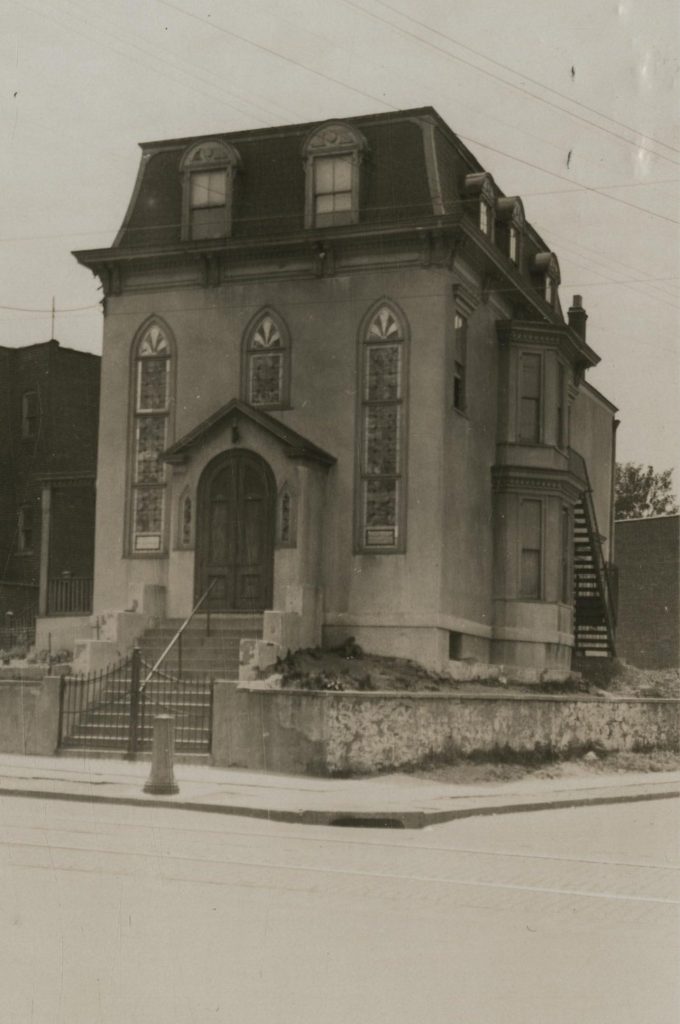
The Daly’s Astoria Sanatorium was founded, which became Mount Sinai Queens in 1999.
Original Daly’s building, circa 1925
Dental outpatient clinic opened at The Mount Sinai Hospital.
1950 (75 years ago)
Roosevelt Hospital (now Mount Sinai West) established its Department of Physical Medicine and Rehabilitation.
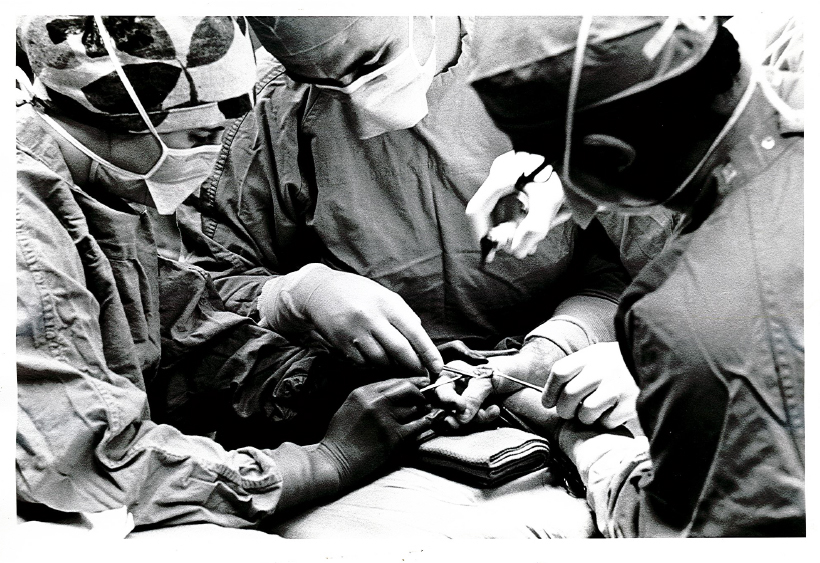
J. William Littler, MD, established hand surgery as the first-of-its-kind service at Roosevelt Hospital.
Hand surgery, 1975
The Mount Sinai Hospital Trustees agreed to staff the health facility at Carver Houses, a public housing project on Madison Avenue across from the hospital.
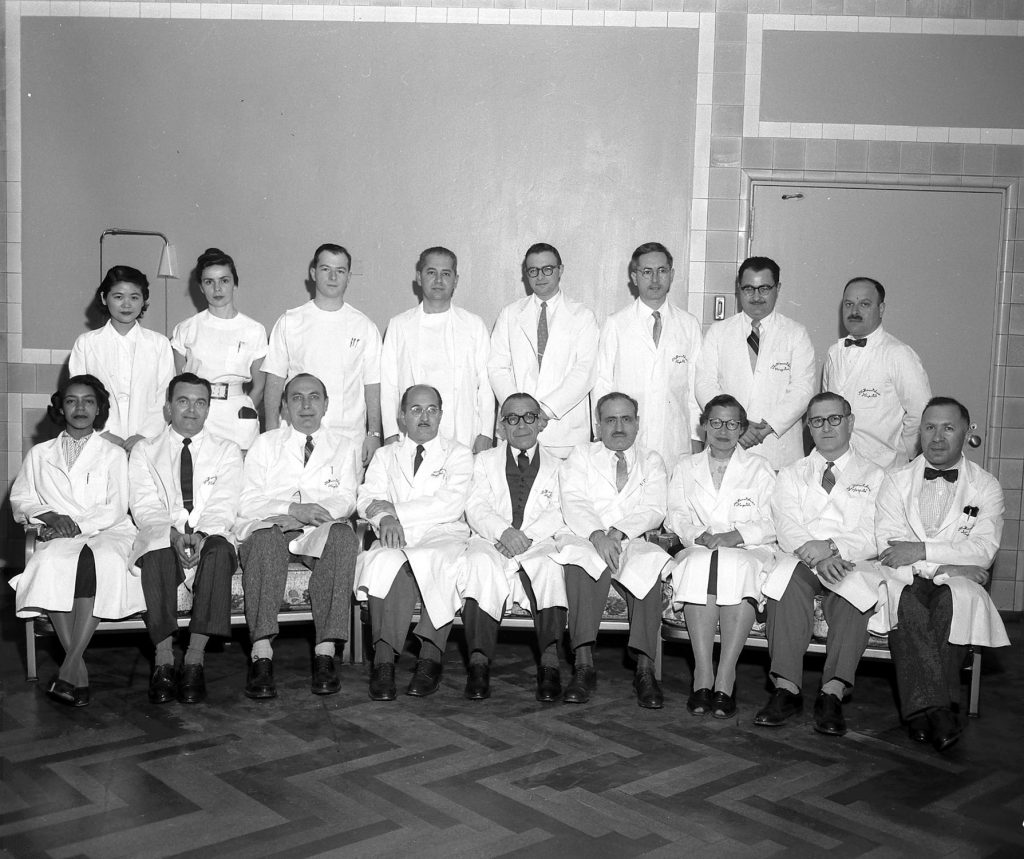
The Mount Sinai Hospital’s Anesthesiology Department was founded when Milton Adelman, MD, became Director. The residency program, which grew to five residents, replaced all but one of the nurse anesthetists.
Anesthesiology staff, 1957
1975 (50 years ago)
A sports medicine program was established by the Department of Orthopedics at Mount Sinai Medical Center under the leadership of Burton Berson, MD.
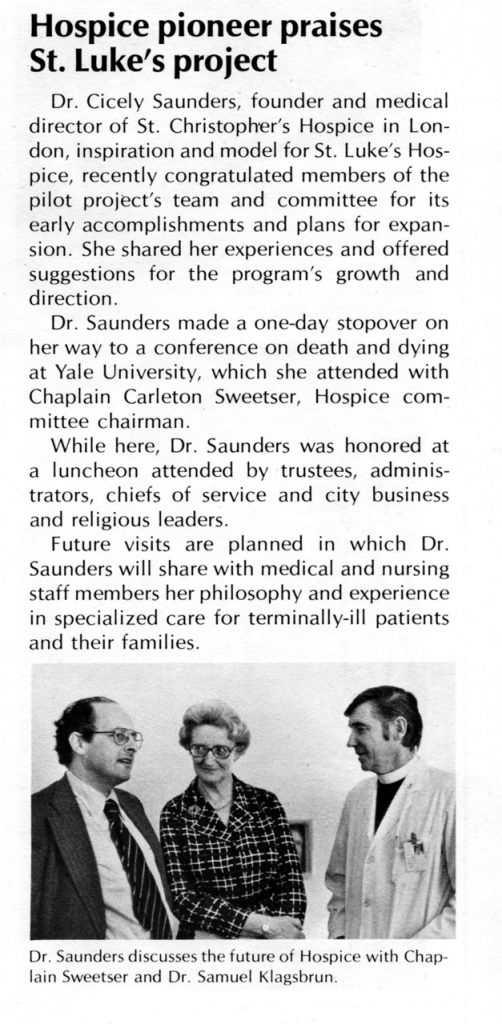
St. Luke’s Hospital (now Mount Sinai Morningside) opened the first hospital-based hospice program, and second hospice program of any kind, in the United States for the terminally ill, under the direction of Chaplain Carlton Sweetser and Samuel Klagsbrun, MD.
News of St. Luke’s article, 1976with Dr. Cicely Saunders, known for founding the hospice movement, and Chaplain Sweetser and Dr. Klagsbrun
The Institute of Computer Science, led by Aran Safir, MD, and the Department of Biostatistics, led by Harry Smith, Jr., PhD were established at The Mount Sinai Hospital to conduct research, provide training and offer consulting services. Worked on “developing computerized medical consultation systems and consultation networks” and “computer-based health care delivery systems.”
The Mount Sinai Hospital School of Continuing Education in Nursing was formed using the charter of the recently closed The Mount Sinai Hospital School of Nursing. The first classes were held in 1976.
The Radiology Department at the Mount Sinai Medical Center (now the Mount Sinai Health System) received a new Delta scanner, allowing it to do CT scans for the first time.
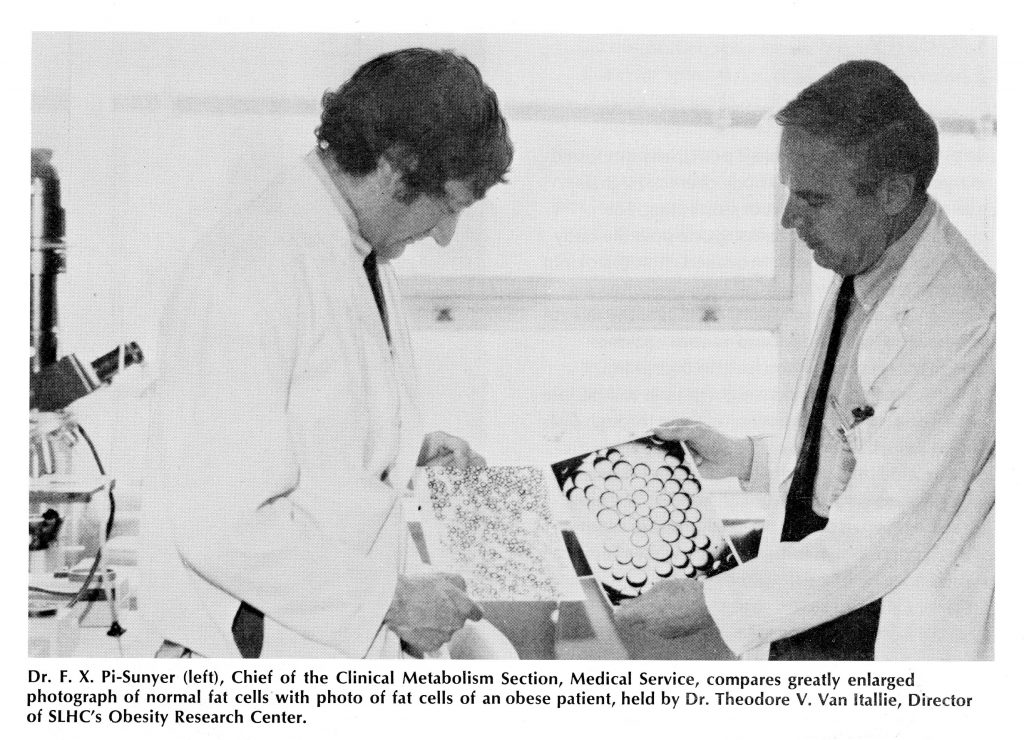
St. Luke’s Hospital created the first National Institutes of Health-funded obesity research center under Theodore B. Van Itallie, MD.
Photo from News of St. Luke’s, 1977showing Drs. Pi-Sunyer and Van Itallie
Eugene Friedman, MD, introduced laser beam surgery at Mount Sinai Medical Center using a CO₂ laser knife.
1995 (30 years ago)
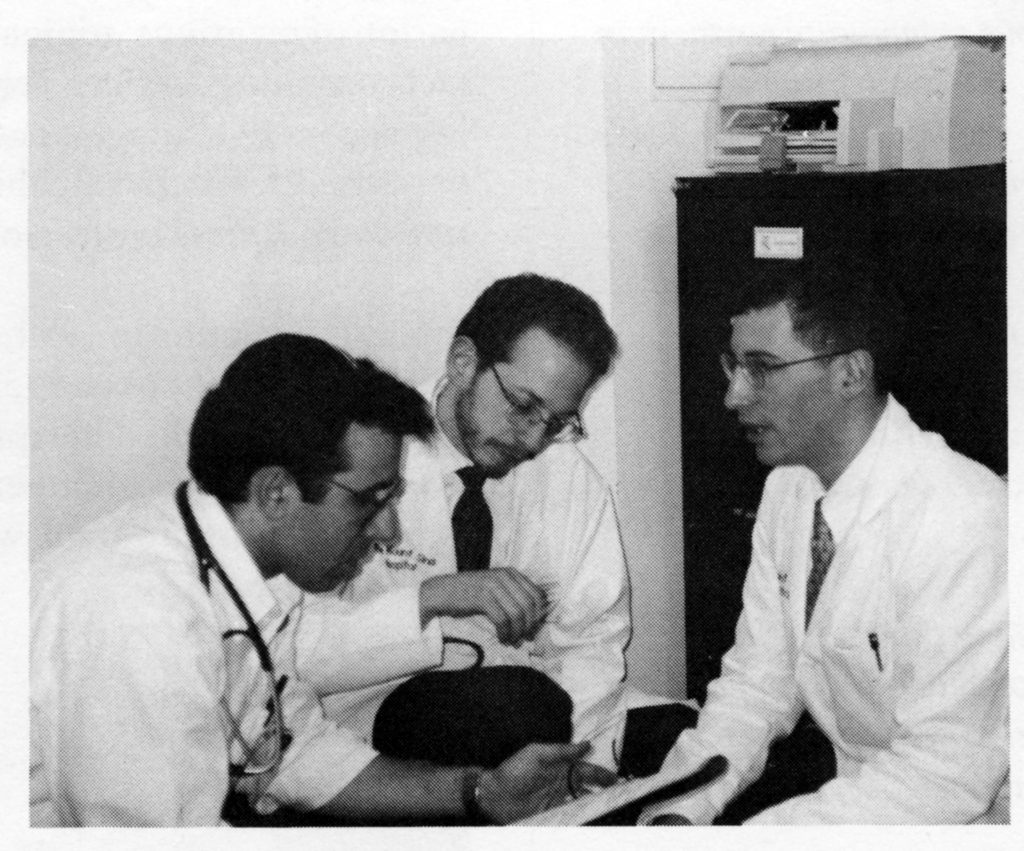
Three Internal Medicine residents partnered with one of the nurses at Internal Medicine Associates to start the Mount Sinai Visiting Doctors Program, one of the largest and most recognized home-based primary care programs in the country. Last year we recognized that it had been 140 years since the Mount Sinai Hospital Board of Directors approved the creation of “Outdoor Visiting Physicians” in 1884.
Drs. David Muller, Laurent Adler, and Jeremy Boal, circa 1996
The Mount Sinai School of Medicine (now the Icahn School of Medicine at Mount Sinai) Consortium for Graduate Medical Education (GME) was established with the assistance of a two-year grant from the New York State Education Department. Barry Stimmel, MD, was named the Dean.
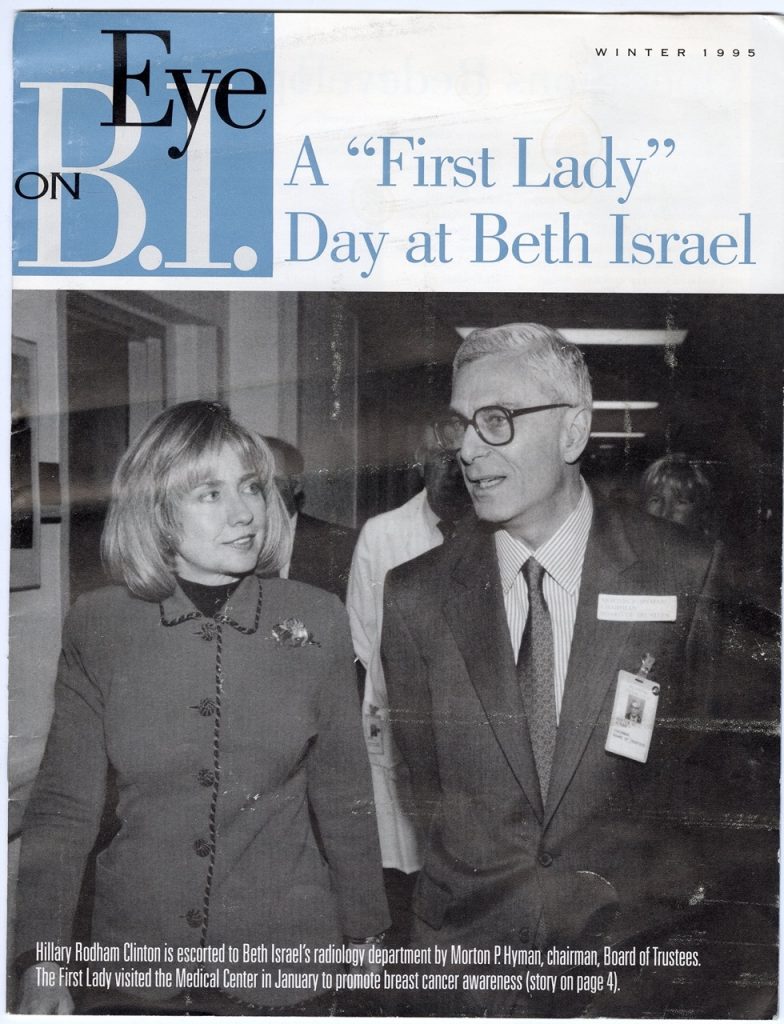
Then-First Lady Hillary Clinton visited the Beth Israel Medical Center (later named Mount Sinai Beth Israel), focusing on breast cancer treatment for Medicare recipients.
Eye on B.I. Winter 1995 issue cover depicting Hilary Rodham Clinton and Morton P. Hyman, then Chairman of the Board of Trustees
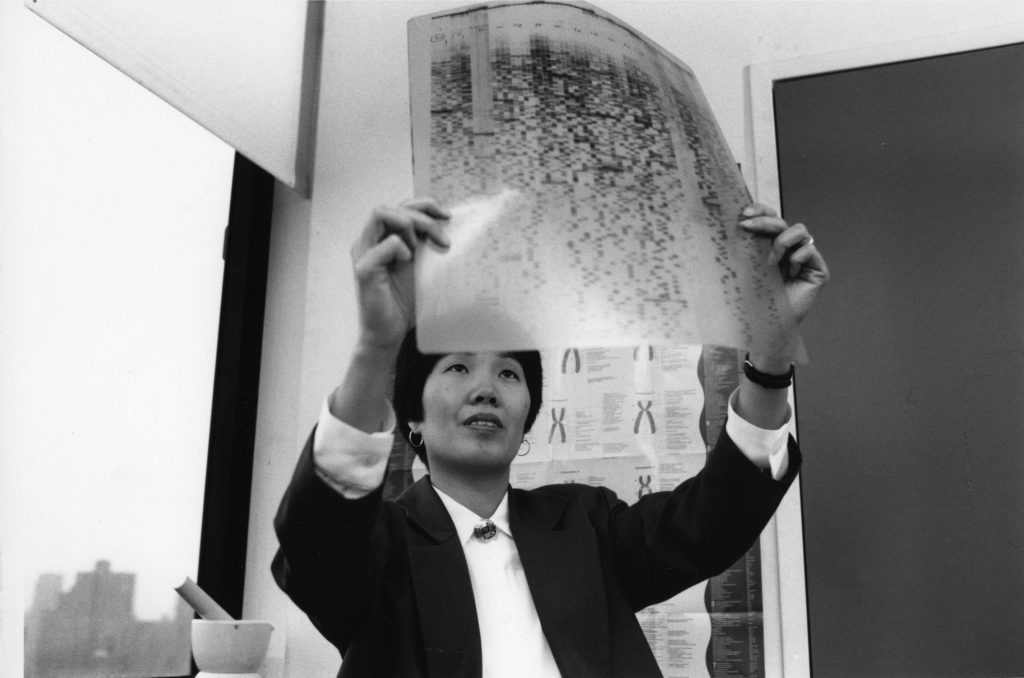
The Department of Human Genetics at the Mount Sinai School of Medicine became the first approved residency program in Medical Genetics in the country.
Dr. Christine Eng looking at DNA sequencing gel, 1993
New York Eye and Ear Infirmary established New York City’s first hospital-based hearing aid dispensary.
Alex Stagnaro-Green, MD, Dean of Student Affairs, founded the Office of Research Opportunities for students of Mount Sinai School of Medicine.
2000 (25 years ago)
The Morningside Clinic, a new home for HIV outpatient services, opened under St. Luke’s Hospital.
The Mount Sinai Hospital Department of Urology announced a new Prostate Health Center endowed by the family of Barbara and Maurice A. Deane.
Mount Sinai Department of Medicine created a hospitalist program.
A Division of Family Medicine was created within Mount Sinai’s Department of Preventive Medicine.
An Integrative Medicine Center for Health and Healing was created at Beth Israel Medical Center.
Mount Sinai Medical Center’s Human Resources Department launched the New Beginnings program as new employee orientation.
The Robert and John M. Bendheim Parkinson’s Disease Center (now the Robert and John M. Bendheim Parkinson and Movement Disorders Center) was established in the Department of Neurology.
Beth Israel Medical Center became the first institution in Manhattan to perform a robotic-assisted cardiothoracic procedure.
2005 (20 years ago)
Researchers at St. Luke’s-Roosevelt constructed a hybrid form of HIV that could be replicated in conventional lab mice, marking the first time non-genetically altered rodents were productively infected with a form of the virus.
Trustee Leon D. Black committed $10 million to Mount Sinai School of Medicine to establish the Black Family Stem Cell Institute. Directed by Gordon Keller, PhD, it integrated research in embryonic stem cells, developmental biology, and adult stem cell biology.
The Beatrix Hamburg Medical Student Training Fellowship in Child and Adolescent Psychiatry sponsored by The Klingenstein Third Generation Foundation, was created in the Department of Psychiatry, offering training programs that expose medical students to the field of Child and Adolescent Psychiatry.
The Mount Sinai Hospital was the first hospital in New York State to use the Berlin Heart pump to keep a little girl alive for two weeks until she received a heart transplant. The pump was still experimental in the United States.
The Mount Sinai Medical Center signed a new agreement with the New York State Nurses Association giving nurses a new starting salary of $68,003.
The Parental Loss and Bereavement Program (The Mount Sinai Hospital), directed by Claude M. Chemtob, PhD, and coordinated by Joan Roth, PhD, was established in the Department of Psychiatry as a new clinical service for parents who lose a child of any age, for any reason, and for surviving siblings.
Mrs. Henry J. (Catherine) Gaisman endows the Catherine and Henry J. Gaisman Division of Pulmonary, Critical Care and Sleep Medicine in the Department of Medicine at the Mount Sinai Medical Center.
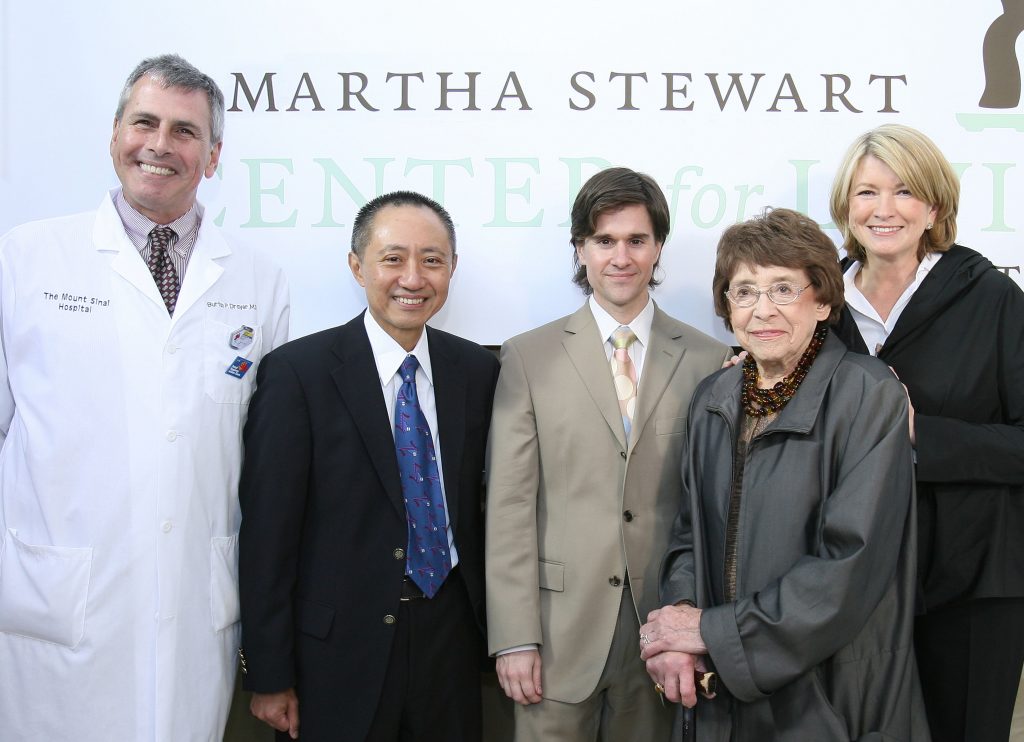
Martha Stewart announced a generous gift to create The Martha Stewart Center for Living at Mount Sinai, a new site for the outpatient clinical practice of geriatric medicine.
Center event with Dr. Burton Drayer (left), Martha Kostyra (2nd from right), and Martha Stewart (right), 2006
The Mount Sinai School of Medicine created the Center for Global Health to focus on the “needs of underserved populations, both at home and abroad.”
The Department of Surgery created a Global Surgical Health program as part of the general surgical residency. See page 10 of this 2008-2009 Annual Report for a description of Global Initiatives in countries such as Peru, Vietnam, and the Dominican Republic.
The Asian Services Program was established at Beth Israel to meet the health needs of the Asian American community by providing easy and seamless access to high quality inpatient and outpatient care to bridge gaps in patient care through extensive community outreach, particularly in Chinatown’s Chinese community.
The New York Eye and Ear Infirmary created the Sleep Center.
2010 (15 years ago)
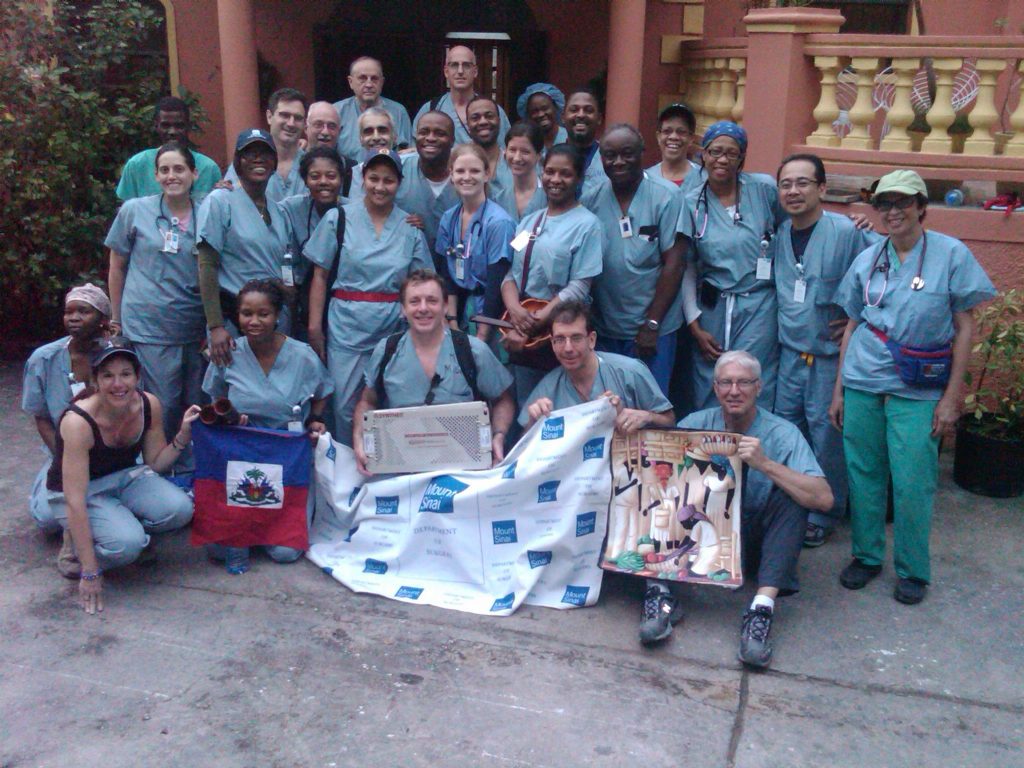
After a magnitude 7 earthquake in Haiti, Mount Sinai sent a team of 20 to National Hospital in Port Au Prince, which included surgeons, anesthesiologists, nurses, a pediatrician, OR techs, and support staff. Led by Dr. Michael Marin and facilitated by Dr. Ernest Benjamin, the team returned home after seven days, having performed over 120 surgical procedures, helping to establish record-keeping systems, and delivering 4,000 pounds of medical supplies.
Mount Sinai Team in Port Au Prince, Haiti
The first Mount Sinai School of Medicine Postdoctoral Symposium is held with Nobel Prize-winning Harold Varmus, MD, as speaker.
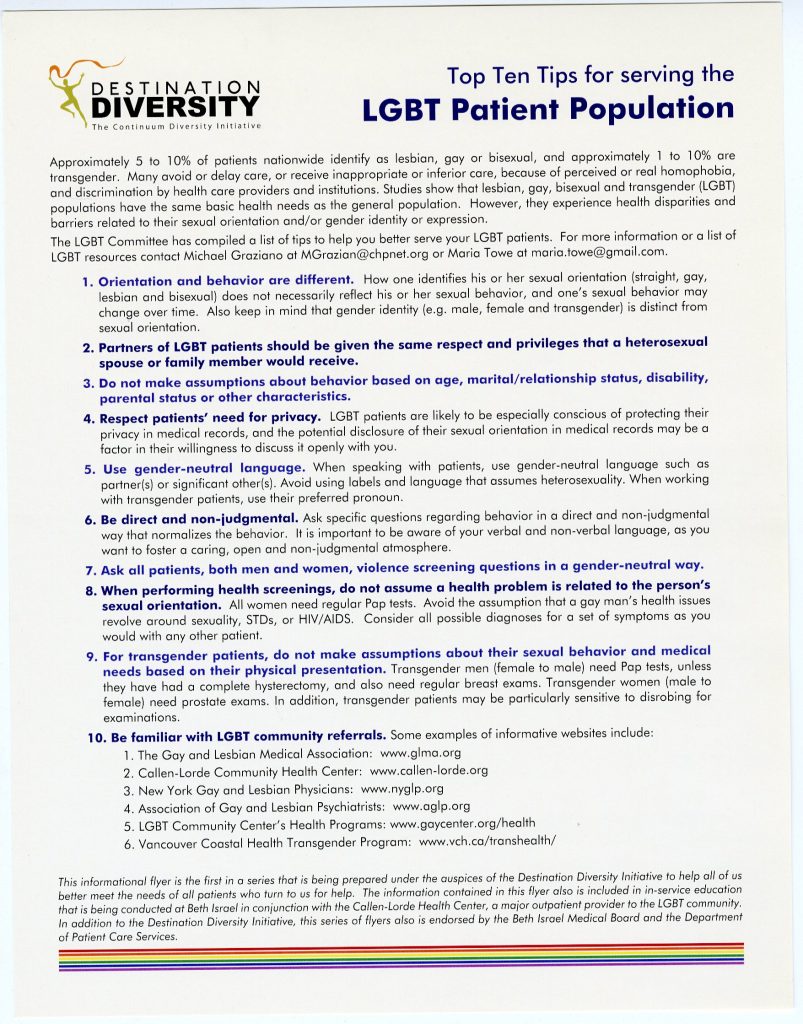
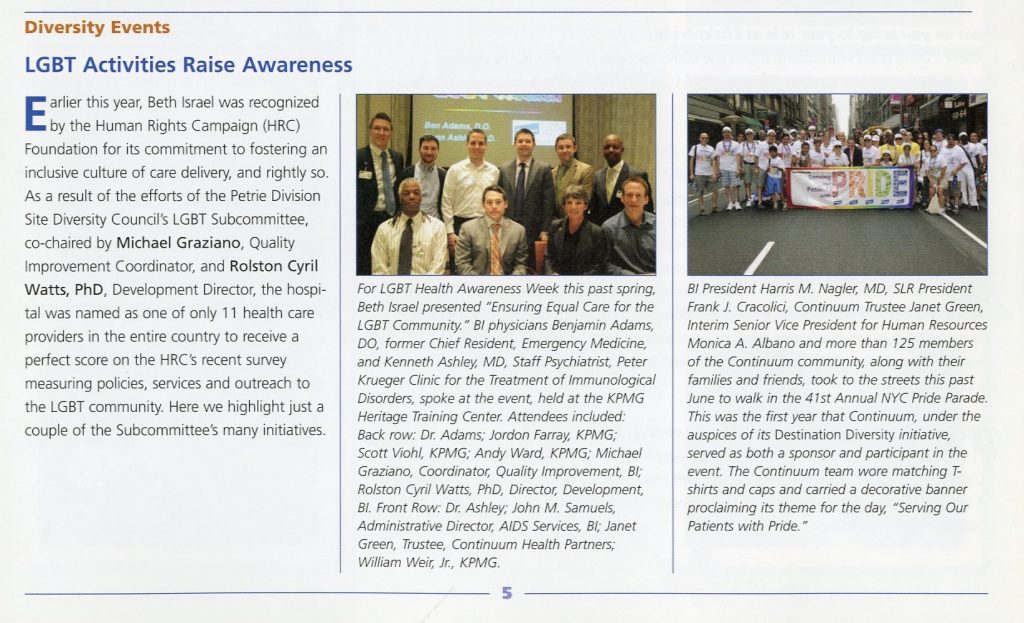
Beth Israel Medical Center was the first hospital in New York City to be recognized as national leaders in LGBTQ Healthcare Equality by the Human Rights Campaign Foundation’s Healthcare Equality Index (HEI).
Top Ten Tips for serving the LGBT Patient Population, circa 2012
From Destination Diversity : Continuum’s Diversity Initiative newsletter, Fall 2010
Dianne LaPointe Rudow, DNP, joined Mount Sinai Medical Center to head the nation’s first multi-organ Living Donor Wellness Center.
New York Eye and Ear Infirmary founded The Shelley and Steven Einhorn Clinical Research Center to discover a new generation of treatments and diagnoses for degenerative eye diseases such as diabetic retinopathy, glaucoma, and macular degeneration.
Mount Sinai School of Medicine created the Drug Toxicity Signature Center, with a grant of $11.6 million from the NIH, to develop cell signatures that could be used to predict the effects of certain drugs and drug combinations.
2015 (10 years ago)
New York Eye and Ear Infirmary opened a new state-of-the-art laser vision correction facility as part of comprehensive ophthalmology services offered through the hospital.
The dissolution of The Mount Sinai Alumni, Inc. was approved by New York State. The Alumni relations function was transferred to the Office of Alumni and Development.
The Mount Sinai Health System established The Spine Hospital at Mount Sinai (now Mount Sinai Spine), the first of its kind in New York City.
The Phillips Beth Israel School of Nursing (now Mount Sinai Phillips School of Nursing), previously affiliated with Pace University, offered the entire curriculum under its own New York State Board of Regents accreditation.
The Mount Sinai Health System announced that Mount Sinai Beth Israel Brooklyn would now be known as Mount Sinai Brooklyn. The change was an important part of Mount Sinai Health System’s overall brand strategy, intended to establish a concise, community-oriented identity for our hospital campuses. For a history of Mount Sinai Brooklyn, check out this post.
The Women in Medical Scientist Training Program (WiMSTP), a student-run organization with an aim to advocate for and support the success of women in the Medical Scientist Training Program at the Icahn School of Medicine at Mount Sinai through mentorship and educational efforts, was founded.
WiMSTP in August, 2016
As a result of the activism and advocacy of medical students at the Icahn School of Medicine at Mount Sinai, the Racism and Bias Initiative was launched to explicitly address and undo racism and bias in all areas of medical school, and to center racial justice, health equity, and underrepresented voices and experiences of all medical education colleagues within the Department of Medical Education.
The Mount Sinai − National Jewish Health Respiratory Institute officially opened.
An OncoEndocrinology Clinic was established with Emily Gallagher, MD, PhD, as its first director, to provide evaluations and care for oncology patients.
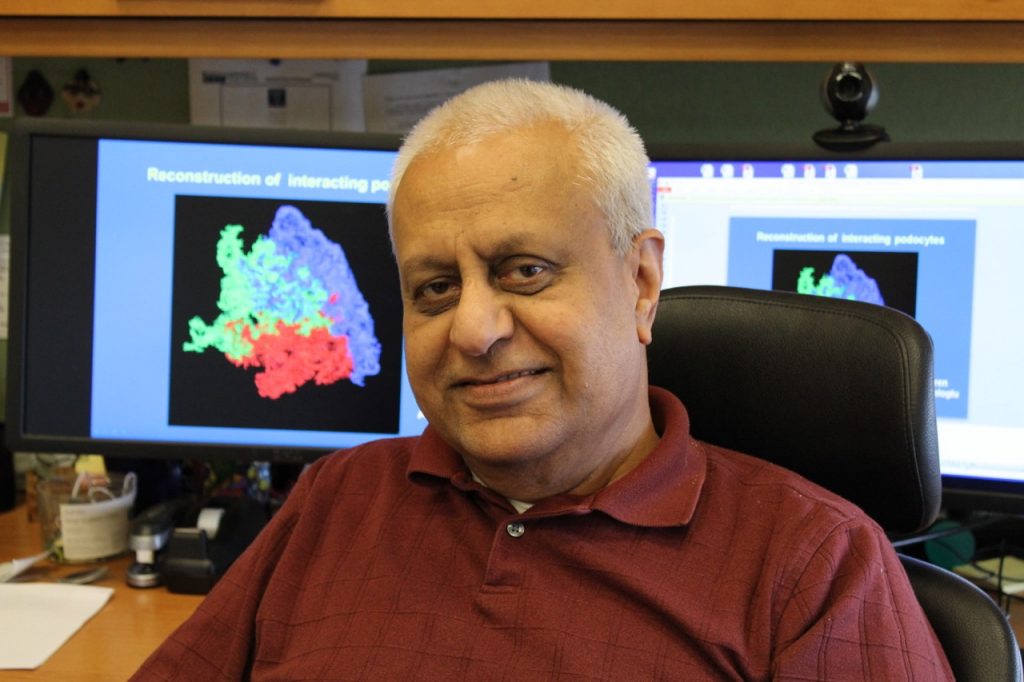
The Icahn School of Medicine at Mount Sinai announced the creation of the Mount Sinai Institute for Systems Biomedicine to develop new transdisciplinary approaches for basic and translational research, facilitating precision medicine. Founding Director Ravi Iyengar, PhD, sought to use convergent approaches to integrate cell biology and human physiology with pathophysiology and electronic medical records using computational models.
Dr. Iyengar at his desk, 2017
The Senator Frank R. Lautenberg Environmental Health Sciences Laboratory in the Department of Preventive Medicine was dedicated in recognition of the late Senator’s tireless efforts to address children’s environmental health concerns during almost 30 years in Congress. The Lautenberg Laboratory brought together a team of physicians and researchers to analyze threats to pediatric health from air pollution and household chemicals, as well as social stressors and nutrition.
The Blau Center for Children’s Cancer and Blood Disease at Kravis Children’s Hospital opened.
Master of Science in Biostatistics program began at the Icahn School of Medicine at Mount Sinai Graduate School Biomedical Sciences.
The Mount Sinai Health System announced the creation of the Institute for Liver Medicine.
Mount Sinai Youth Advisory Council was created to enhance the delivery of care at The Mount Sinai Kravis Children’s Hospital; works with Child Life Program.
Dean Dennis S. Charney, MD, announced the creation of the Center for Spirituality and Health within the Icahn School of Medicine at Mount Sinai. Led by Deborah Marin, MD, the Center develops clinical, educational, and research activities designed to enhance our understanding of the significant role spirituality plays in the prevention of and recovery from physical and mental illnesses.
2020 (five years ago)
The Icahn School of Medicine at Mount Sinai announced the establishment of the Institute for Genomic Health. Eimear Kenny, PhD, was appointed Director of the Institute, and Noura Abul-Husn, MD, PhD, as Clinical Director.
On March 7, Mount Sinai West admitted the first COVID-19 patient in the Health System.
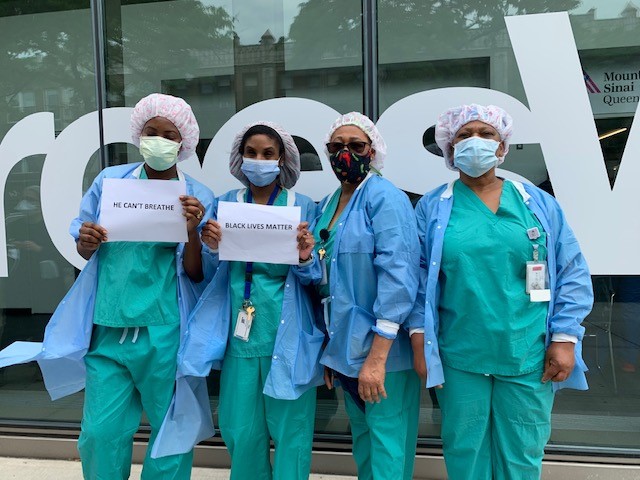
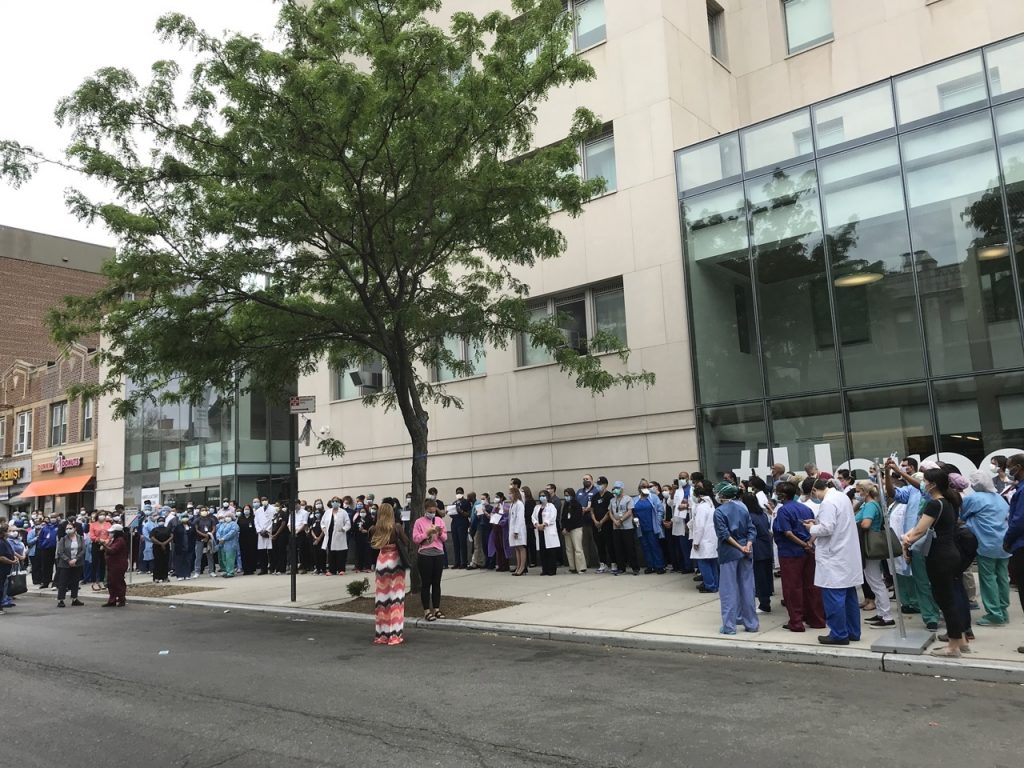
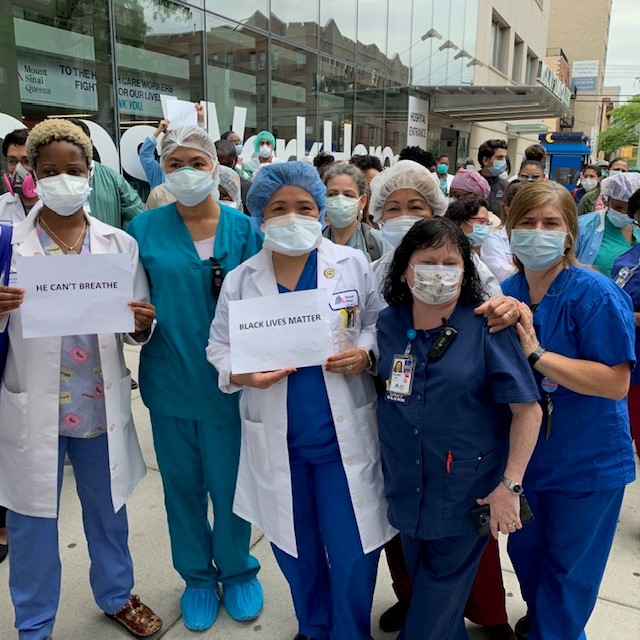
Healthcare workers at Mount Sinai Queens on June 2, 2020Staff of Mount Sinai Queens outside during the nine minutes of silenceHealthcare workers at Mount Sinai Queens on June 2, 2020
On June 2, 2020, Mount Sinai employees showed solidarity with those protesting the killing of George Floyd at the hands of law enforcement in Minnesota. In a broadcast email, leadership announced “at 3 pm, we will show support for our community; support for our Black colleagues, family, friends, and neighbors; and support for those who are peacefully protesting the killing of George Floyd, and so many others before him. At 3:05 pm, we will begin nine minutes of silence, representing how long Mr. Floyd was unable to breathe. Please follow proper masking and social distancing rules during this event.”
Mount Sinai announced that surgeons performed the first-ever spinal tethering surgery in New York City to correct idiopathic scoliosis—a sideways curvature in the spine—in children and adolescents.
The Icahn School of Medicine at Mount Sinai announced the creation of an Institute for Health Equity Research. The new Institute will be dedicated to examining the causes and magnitude of health and health care disparities impacting nonwhite, low-income, immigrant, uninsured, LGBTQ+, and other populations across all ages, abilities, and genders. Carol Horowitz, MD and Lynne Richardson, MD we named Directors of the Institute.
Emma K. T. Benn, DrPH, MPH, founded the Center for Scientific Diversity at the Icahn School of Medicine at Mount Sinai, an initiative of the Dean’s Office and the Institute for Health Equity Research to foster, develop, and assess empirically supported practices that promote and enhance scientific innovation, diversity, and equitable advancement within the biomedical investigator workforce.
Design by Jill GregoryPhotograph by Marcia E. Wilson
“There are so many changes and incidents that occur in an institution of this magnitude in the course of a year, and which together combine to make the total picture, that it is difficult within the time at my disposal, and within the bounds of your patience, to choose those that will most truly reflect its life.”
Tim Hayes, M.P.A, M.L.I.S. is the Circulation Supervisor at the Levy Library. As part of completing his Master of Library and Information Sciences degree earlier this year, he interned with the Aufses Archives and processed the Henry Dazian Estate and Dazian Foundation for Medical Research Records. In this post, Tim shares what he was able to find in that collection as it relates to the naming of the Dazian Pavilion. See this link for Part 1 of this blog post.
Coming into this project, I knew there was a question that hadn’t been answered yet (when was the Dazian Pavilion at Beth Israel Hospital named?), and a collection of materials corresponding to the presumed namesake (Henry Dazian Estate and Dazian Foundation for Medical Research records).
Henry Dazian set the majority of his estate, under the guidance of his executor, Emil Friedlander, to the establishment of Dazian Foundation for Medical Research. The foundation was established with a 25-year term with a primary mission of “the advancement of medical and allied scientific knowledge.” The estate stipulated it was to have a self-perpetuating board that consisted of five Doctors of Medicine and four laymen.
My first goal was to see if an eponymous building was a condition of Henry Dazian’s will. Looking through the multiple copies present in the Foundation records, I was able to determine two things. Firstly, Dazian had not set down any naming stipulations related to bequests in his will, and secondly, upon the dissolution of the Foundation, all remaining money in the estate was to be distributed to hospitals, sanitariums, and similar such institutions. No specific institutions were named.
The next breadcrumb was the minutes of a special meeting for the Directors of the Dazian Foundation of Medical Research. Held on November 9th, 1961, these minutes include a resolution “unanimously adopted” to distribute the foundation’s funds to various institutions, including: “$850,000 to Beth Israel Hospital for the Dazian Pavilion.” This is equivalent to about $8.7 million in 2024 dollars (based on Bureau of Labor Statistics information). The consensus among the Archives staff was that such a sum merited a named endowment at that time.
I also found a note in an auditor’s report, saying that “on May 14 of 1959, the Board of Trustees of the Foundation adopted a resolution to donate $100,000 to the Actor’s [sic] Fund of America, payable after May, 1962…Designated rooms, or a wing, are to be dedicated to the memory of Henry Dazian.”
It’s important to be careful about your own preconceived narratives as a researcher, and here mine got me derailed; I took that comment to mean the Foundation was seeking to memorialize Dazian before May of 1959, and started looking closely at the correspondence that predated that. Despite reading through a great deal of the correspondence leading up to that point, I found no other mentions of memorializing Dazian.
It was only after I started looking at the correspondence after that point that I noticed a 1960 letter from Arthur Fishberg, president of the Dazian Foundation for Medical Research from 1956 until its dissolution in 1962), to a Dr. Rachmilewitz at The Hebrew University in Israel. Attempting to clear up a miscommunication, Fishberg said that the board had planned three projects within New York “as the most suitable memorializations[sic] of Mr. Dazian in the city in which he passed his entire life.”
Realizing that I had been looking in the wrong direction, I decided to hunt more thoroughly for the minutes from that annual meeting in May of 1959. These showed a bit more of a story. In that meeting, Friedlander proposed a motion to give $100,000 to the Actors’ Fund. This must have been a somewhat contentious vote; the minutes make a note that two of the Foundation’s board members voted against the proposal, and records state how each member of the board voted – a rarity among the minutes, which may imply an unusual level of disagreement.
Additional meetings about the ultimate disposition of capital funds were held in both July and October of 1959, but no minutes of either meeting were included in the records we possess. Finally, on December 2, 1959, the board members of the Foundation were urged to attend a meeting “to discuss a matter of great importance.”
In the minutes of this meeting, Alfred M. Rose proposed a motion to allocate $800,000 to the Beth Israel Hospital. The motion was seconded by Emil Friedlander, and unanimously approved by the board. An allocation is also set aside for the Hospital for Joint Diseases, and each trustee of the foundation is given the right to allocate $25,000 to any institutions permitted by Henry Dazian in his will. Taken together, this finally satisfied our curiosities about the naming of the Dazian Pavilion.
The newly processed records provide a rich body of historical materials for interested researchers. Future avenues of investigation include studying the lives of those who lived in Dazian’s real estate holdings and the living conditions of New York City at that time. The notes of the Foundation members provide insight into their decision-making about what research was funded, which in turn, shaped the history of medicine. Dr. Arthur M. Fishberg, for instance, often included the notes and opinions of the board members showing how decisions were often made on the basis of age, race, and other characteristics of the applicants that would now be protected, and it was shocking to see such blatant discrimination.
Now fully open to research, with description to allow intellectual access, the Aufses Archives is eager to assist those who may also have a seemingly straightforward, or profoundly complicated, topic to investigate.
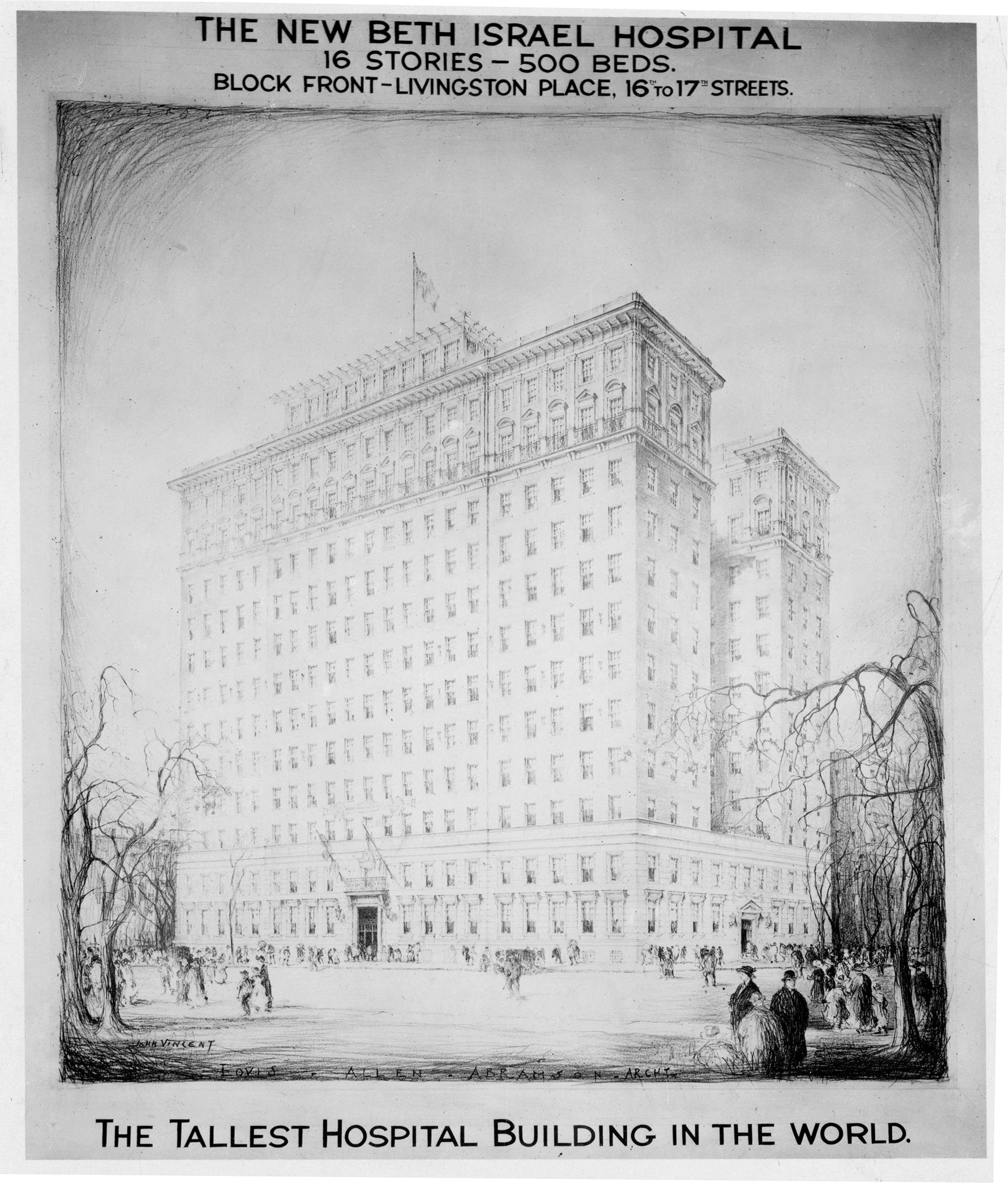
Sketch of Dazian Pavilion exterior, circa 1929. At the time it was built, Beth Israel believed it to be “the tallest hospital building in the world.” (The final building only stood at thirteen stories.)
In our “Familiar Names: A ‘Who’s Who’ of Beth Israel Buildings” post, you may have noticed that one building is conspicuously absent: the Dazian building. Dazian, the original building on the Petrie campus, was simply referred to as the Beth Israel Hospital for the first part of its history, given that it was the only Beth Israel Hospital building at the time it was opened (to much acclaim) in 1929. During the 1950s and 1960s, the hospital went through a building boom, likely necessitating building names, and campus maps show that the Dazian Pavilion was labeled as such by 1963. But who was Dazian? You might think Beth Israel’s institutional records would hold a clue, but, after receiving several requests to provide the backstory, a few of archivists at the Aufses Archives had approached this research from different angles, and never turned up anything directly mentioning the building’s naming. Sometimes the answers to seemingly straightforward questions are simply not well documented.
We strongly suspected that the building was named for Henry Dazian, a famed Broadway costumer from a prominent family. Henry Dazian was the third generation of his family to own the costuming business and had a history of philanthropy. He served as a trustee for the Actors’ Fund, which was established in 1882 to provide for the burial, retirement, and healthcare needs of those working in the theatrical professions, who were often denied access to services and charities during this period. He also donated to Beth Israel during his lifetime, particularly (and perhaps fittingly) in 1929 when the institution was fundraising to eliminate its debt following the construction of the building that would eventually carry the Dazian name some thirty years later.
We were hoping that the Henry Dazian Estate and Dazian Foundation for Medical Research records would hold clues for solving this mystery. In addition to its Beth Israel connection, the Foundation also worked with Mount Sinai doctors by, among other things, funding scholarships for refugee physicians during World War II. The collection was seeing increased interest from researchers, but it remained largely inaccessible because it was not completely processed. Processing became a priority, and when Tim Hayes, Levy Library Circulation Services Supervisor, joined the Archives for an internship, we were grateful that this collection received renewed attention. He processed this collection, which spans more than fourteen document boxes, and was able to keep an eye out for answers to some of our Dazian-related questions as he reviewed the material. Stay tuned for our next blog post, where Tim takes us on a deep dive of his research into this question.
How did Mount Sinai become a global leader in cardiovascular care and research?
While we can cite many firsts, such as the first use of an electrocardiograph machine in the United States at The Mount Sinai Hospital in 1909, generations of our pioneering health care professionals have played pivotal roles in advancing our knowledge of cardiovascular disease, leading to the development of life-saving interventions and treatments.
In October 2023, Mount Sinai Heart was renamed Mount Sinai Fuster Heart Hospital, in honor of Valentin Fuster, MD, PhD, who is its President and the Physician-in-Chief of The Mount Sinai Hospital. Dr. Fuster has led our progress in cardiology for 41 years, and his commitment to education, research, and discovery has influenced cardiovascular care worldwide. In recognition, The Arthur H. Aufses, Jr., MD Archives staff researched and assembled an exhibit in the Annenberg lobby (on view from December 2023 to May 2024) showcasing some of Mount Sinai’s historic contributions that revolutionized the way we understand and treat heart conditions. The below all pertain to the Mount Sinai Hospital, but the original exhibit included history from the collections of St. Luke’s and Roosevelt Hospital (now Mount Sinai Morningside and West) and Beth Israel Hospital (now Mount Sinai Beth Israel).
1909
First electrocardiograph machine acquired for use at Mount Sinai Hospital by Alfred Cohn, a pupil of Sir Thomas Lewis. This is cited as the first use of an EKG machine in United States. Specialty of cardiology begins to develop at MSH, and by 1927, 13,000 EKGs had been performed here.
1915
The Mount Sinai Hospital established one of thefirst electrocardiography departments in the country under the direction of Dr. Bernard S. Oppenheimer. Doctors previously had only learned the techniques while training in Europe. The hospital’s wards were wired for connection to EKG. In 1917, Dr. Oppenheimer was awarded an American Medical Association gold medal for an exhibit on electrocardiographic changes associated with myocardial infarction (heart attack).
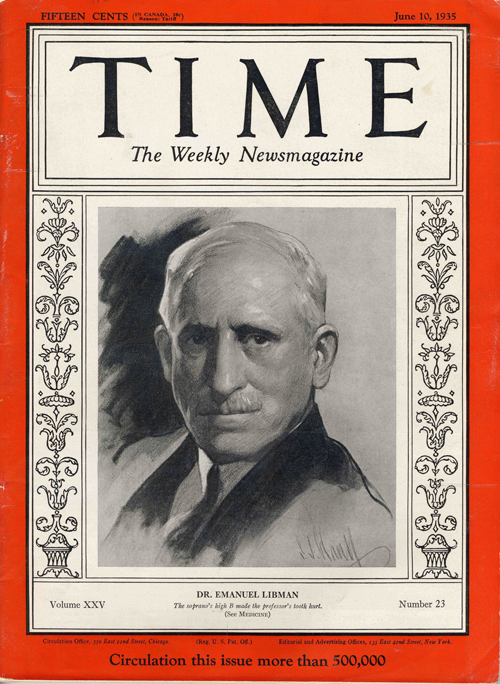
One of Mount Sinai’s giants was Dr. Emanuel Libman. His skills as an internist were renowned— Albert Einstein said he had ‘‘secret-divining eyes.’’ Dr. Libman started as an intern at Mount Sinai Hospital from 1894-1896 and then studied bacteriology and pathology in renowned clinics in Berlin, Vienna, and Munich. In 1897, he published his description of Streptococcus enteritis (later named Streptococcus Libman), which causes focal infection of the intestine. In 1904, Libman, using a gift from Trustee Adolf Lewisohn to build a laboratory building at Mount Sinai Hospital, established a separate department of bacteriology and serology. He went on to study meningococci, streptococci, and Bacillus pyocyaneus, known today as pseudomonas aeruginosa, and became an outstanding bacteriologist. His use of blood cultures to diagnose disease was another major contribution. His seminal work, published in 1910, dealt with the pathogenesis of subacute bacterial endocarditis, which he elucidated through bacteriologic, pathologic, and clinical studies. He introduced the terms “acute” and “subacute” and called attention to the color of the skin and many other clinical features of bacterial endocarditis. In 1924, along with his student, Dr. Benjamin Sacks, Libman first described Libman-Sacks endocarditis (LSE). Widely venerated for his teaching and introduction of clinical conferencesin 1905 (known today at Grand Rounds), he worked at Mount Sinai from 1898 until his death in 1946.1
So numerous, original, comprehensive and important have been the studies of the heart emanating from the wards and laboratories of Mount Sinai Hospital that I think one can correctly speak of the Mount Sinai school of cardiologists, of which [Emanuel] Libman was the founder and guiding spirit – William H. Welch, MD (1850-1934), one of the four founders of Johns Hopkins
1929
Dr. Arthur M. Master devised the prototype for today’s cardiac stress test, the “Master Two-Step”. This was the first exercise test to be standardized for the weight, height, and sex of the patient and evaluated the function of the heart through blood pressure and pulse rate measurements taken before and after exercise. Along with the work of Dr. Simon Dack, this ended an era when total bed rest was prescribed for cardiac cases, noting that lowered caloric intake and moderate exercise are beneficial, while total rest is harmful.
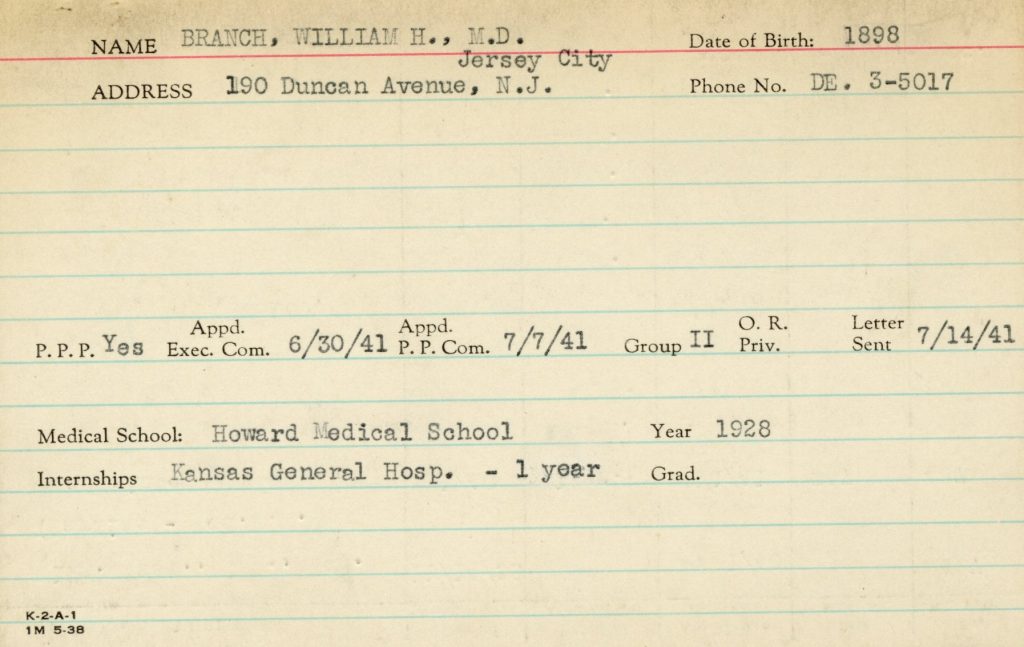
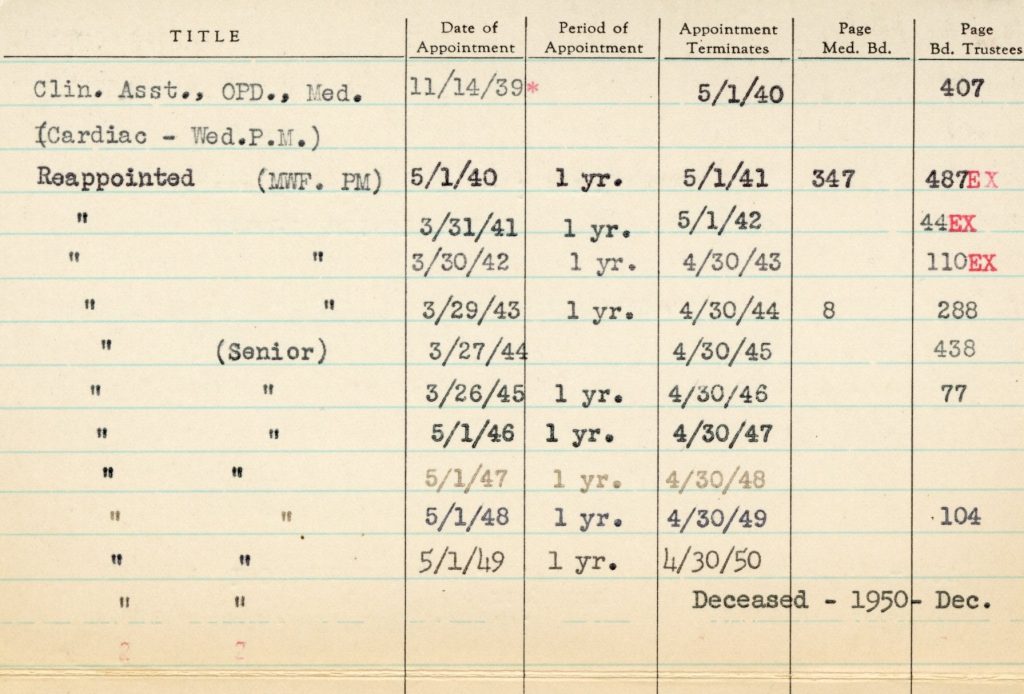
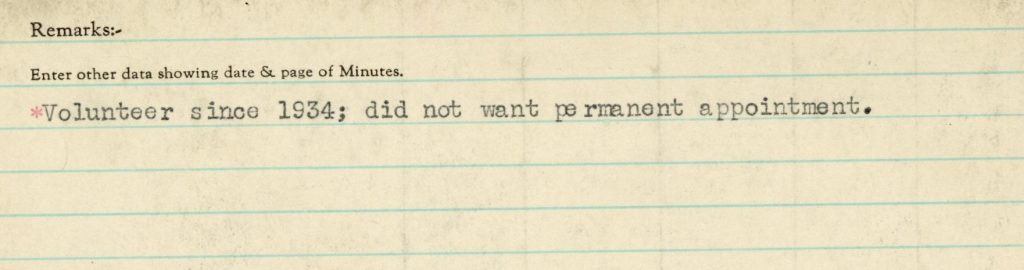
In 1934 Dr. W. Harold Branch joined the Mount Sinai Hospital as a volunteer physician. Dr. Branch was a research member of the special cardiac clinic from 1934 to 1950, where he eventually became Senior Clinical Assistant. From New Jersey, he attended Lincoln University (1920), Howard University Medical School (1928), New York University, Columbia University, and Dr. Branch observed and documented acute coronary occlusion in African Americans, which challenged existing theory on that subject. In 1937, he published an article about a case of sudden simultaneous bilateral embolism of the popliteal arteries, which in 2022 was still considered a ‘rare diagnosis.’ On being elected to membership in the American Heart Association, the New York Times quoted him, saying he “believed he is the only Negro member of the group,” making him the first Black man to be a member.2 He worked at many hospitals in the metro area until his death of a heart attack while riding the bus in 1950.3
Cardiovascular Research Group formed as an interdepartmental entity under the direction of Dr. Marcy Sussman. Some of the earliest studies of angiography and congenital heart disease are performed. The group included the Hospital’s cardiographers and its other experts in various aspects of the physiology and pathology of the heart. Out of their work came two new developments. The first, on the scientific side, was a detailed study of the lesions in congenital heart disease, for which several new techniques and instruments were devised. The second grew out of the realization of the practical advantages of the pooled knowledge of the group as a unit, as well as their special equipment and their skill in using it. Other members of the Medical Staff, confronted by the extremely difficult technical problems involved in diagnosis and treatment of patients with cardiovascular disease, either as the main problem or as a complication in other illnesses, began referring such patients to the group. Also in 1947, the cardiac catheterization laboratory was established.
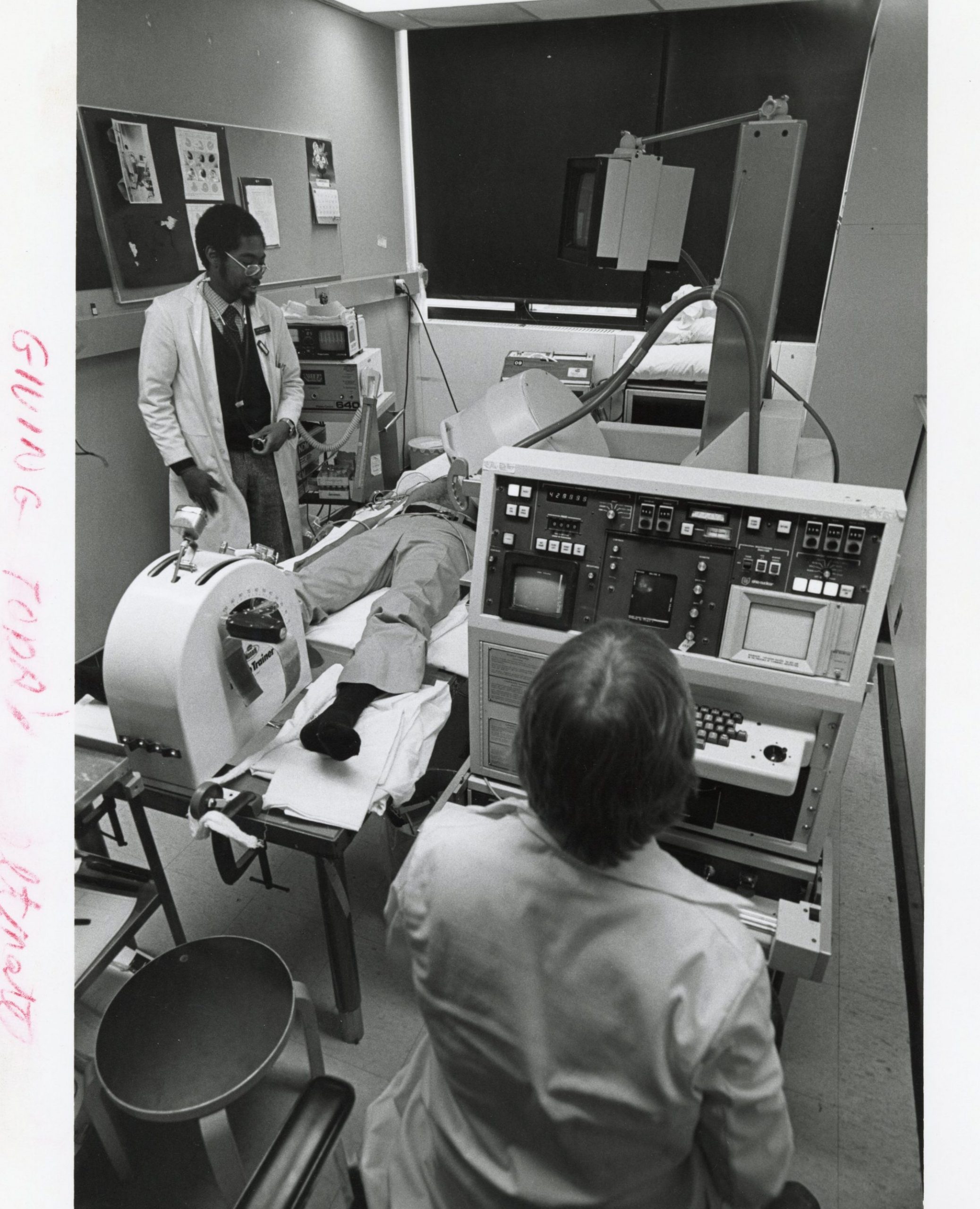
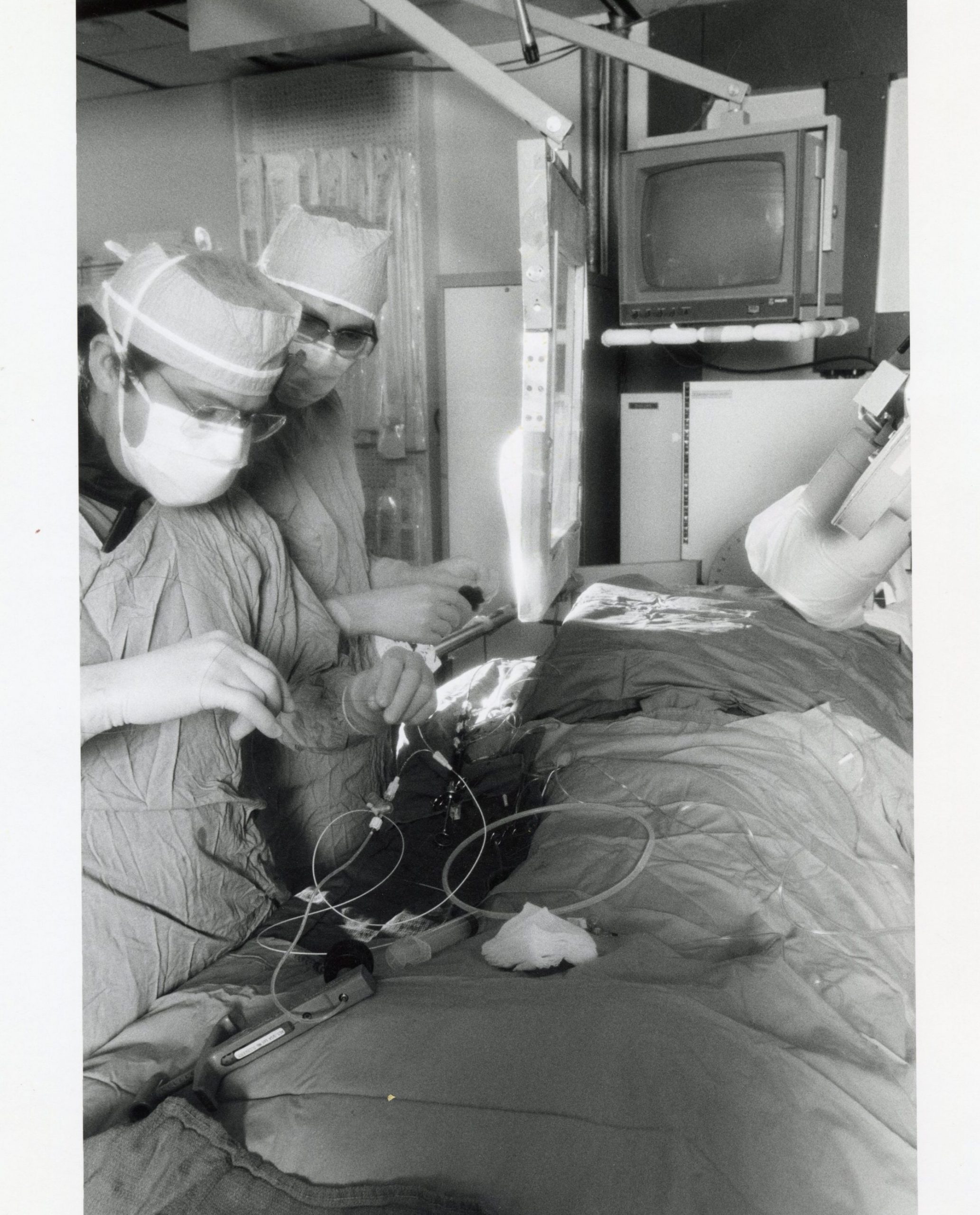
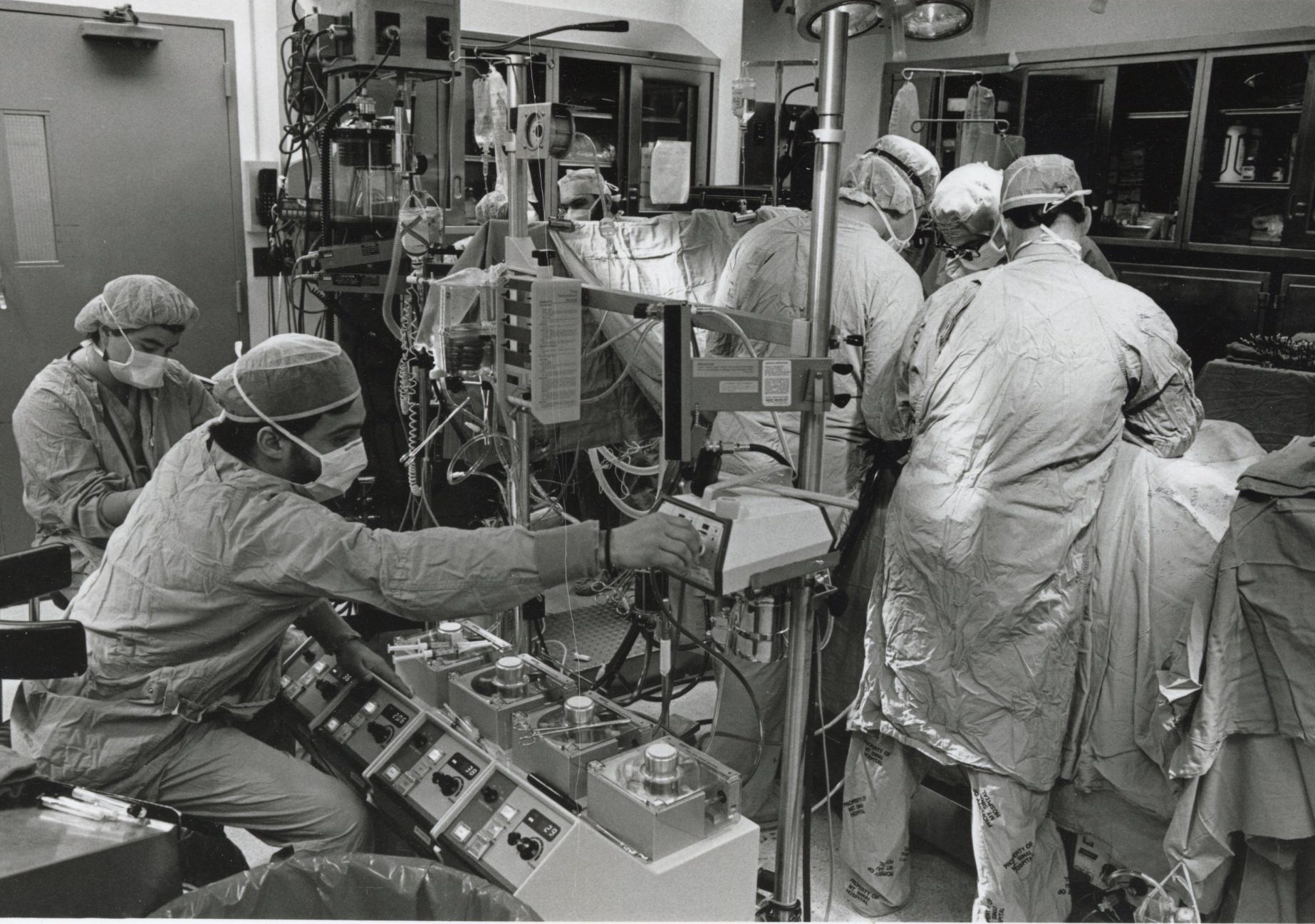
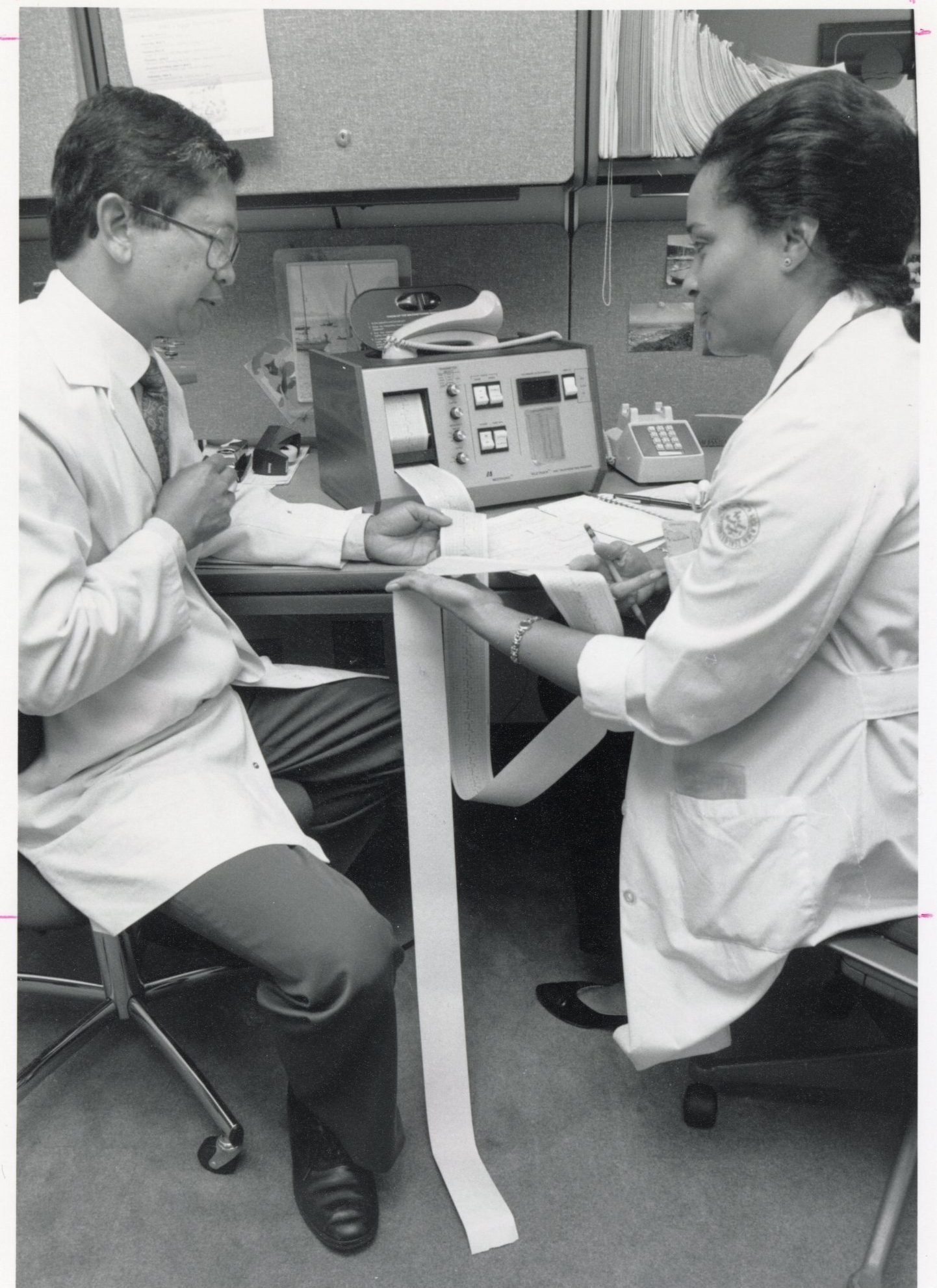
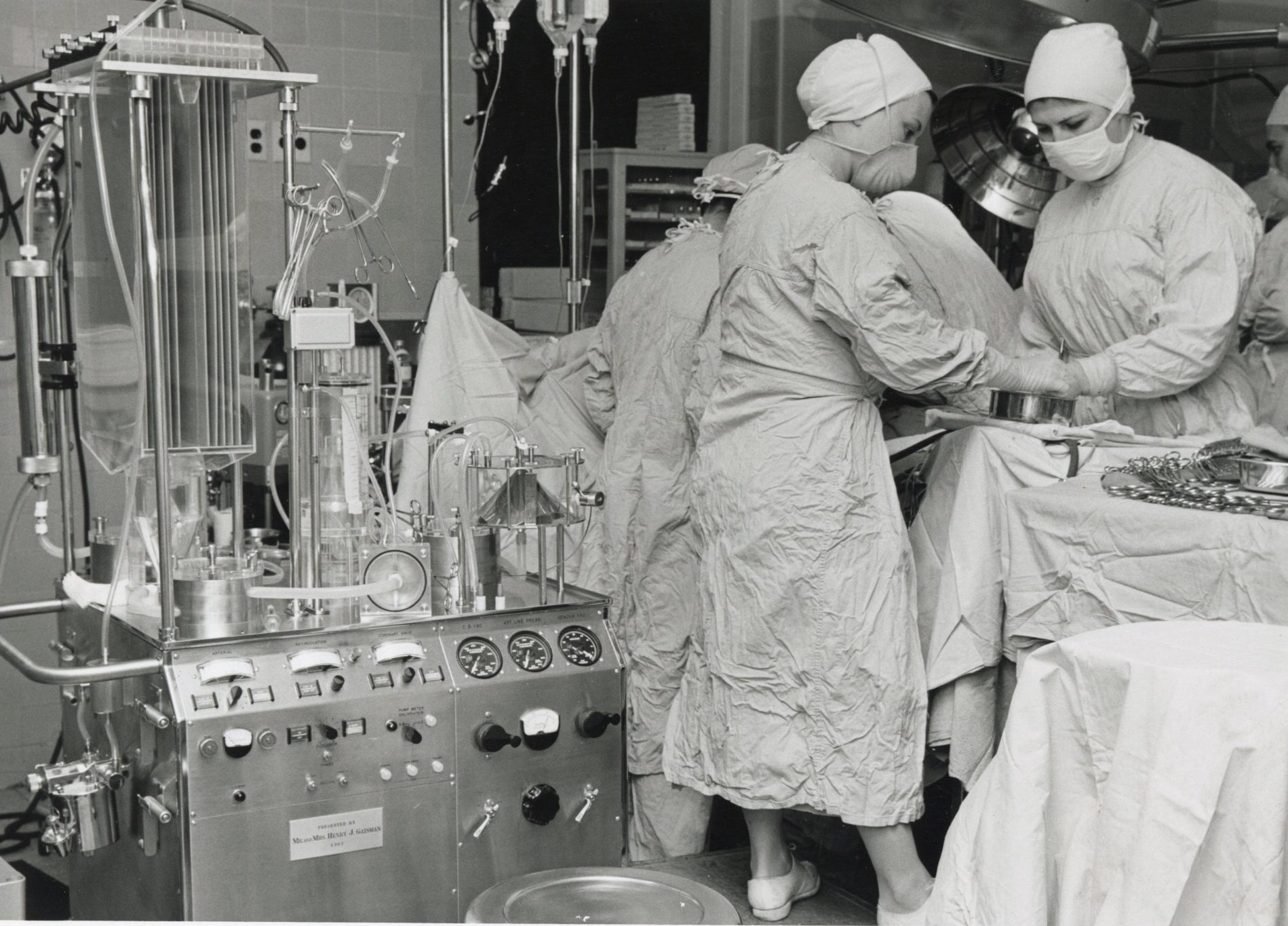
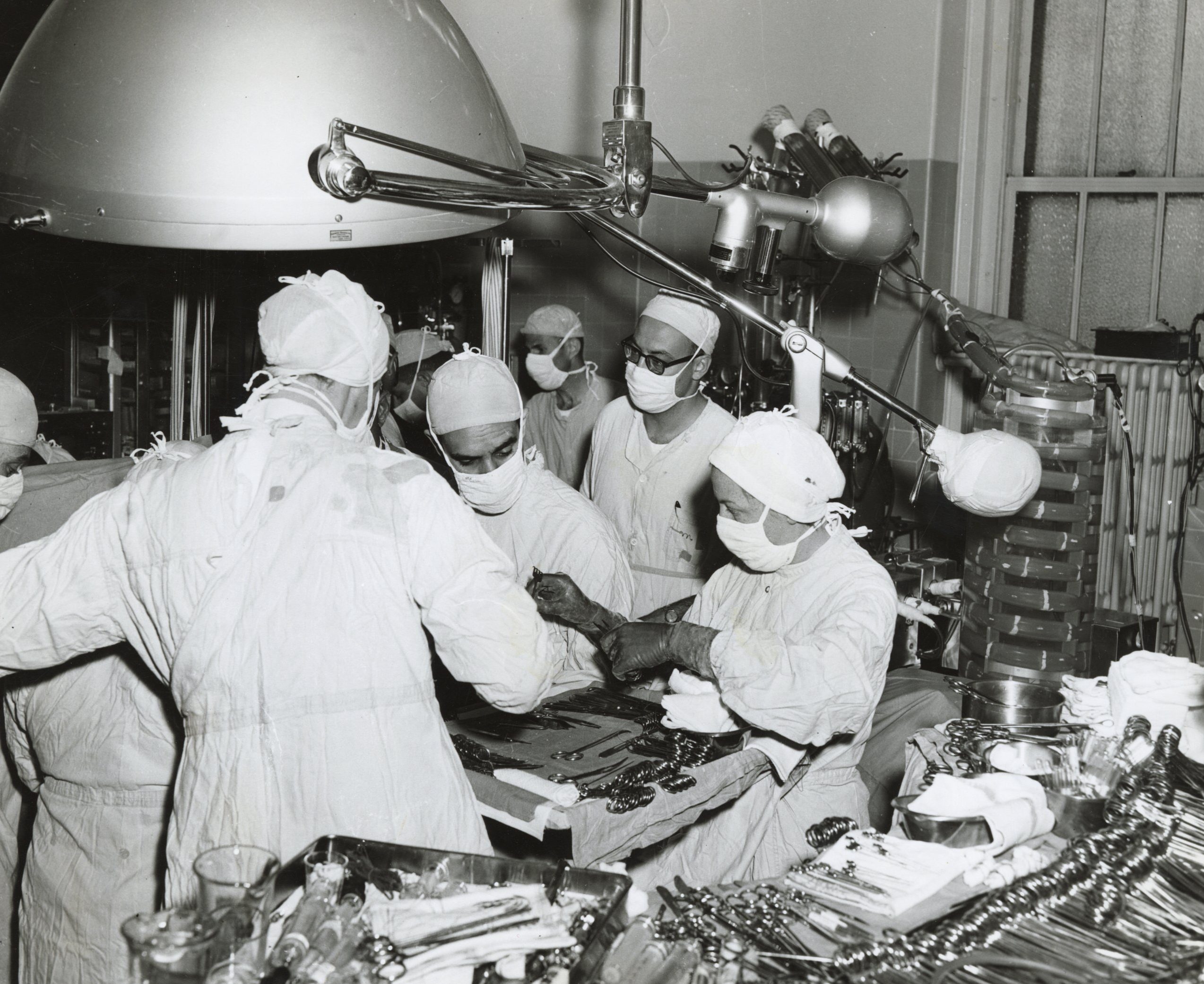
While these machines may look bulky and outdated, they were the cutting-edge technology in their day. Keeping pace with the latest and most efficient equipment remains critical to providing the best patient care. Used in the early days of pioneering cardiac treatments, these were used to perform angioplasties, open heart surgery, radionuclide stress tests, pacemaker interpretation, among others. This group of pictures span from the 1950s to the 2000s.
Cardiology was established as a division within the Department of Medicine. Dr. Charles K. Friedberg was appointed Chief.
Also in 1956, a separate residency was established for Cardiology–Nanette Kass Wenger, MD was appointed the first resident, hence also Chief Resident. She was among the first physicians to focus on coronary heart disease in women and to evaluate the different risk factors and features of the condition across genders. In 1958, she moved to Atlanta to become a senior resident in medicine at Emory University. Dr. Wenger conducted her clinical practice at Grady Memorial Hospital and was named director of cardiac clinics and director of the ambulatory electrocardiography laboratory in the 1960s. In 1971 she was appointed full professor of medicine, and in 1998 she became the chief of cardiology. Dr. Wenger has authored and co-authored more than 1,600 scientific and review articles and book chapters. Dedicated to her professional organizations, she was also a founder of the Society of Geriatric Cardiology. She received numerous awards, and in 2004 Dr. Wenger received the Gold Heart Award, the highest award of the American Heart Association, and as well as the Lifetime Achievement Award from the American College of Cardiology.
1958
Mount Sinai Hospital’s Simon Dack, MD, became the first editor-in-chief of the American Journal of Cardiology and developed it over 25 years into one of the world’s most prestigious medical journals. In 1988, the journal became the official Journal of the American College of Cardiology, with Dr. Dack remaining as editor-in-chief.
1950s-1970s Research
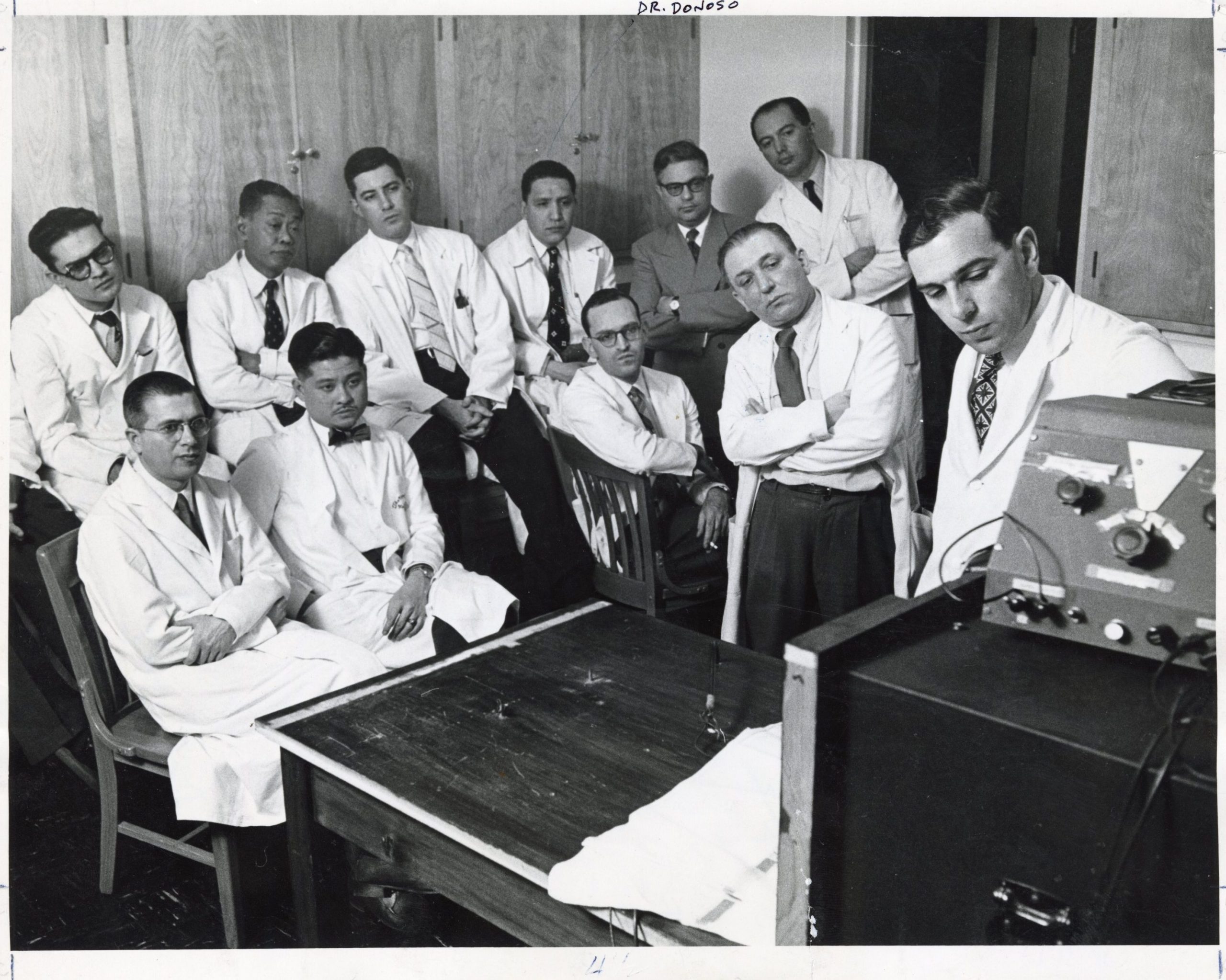
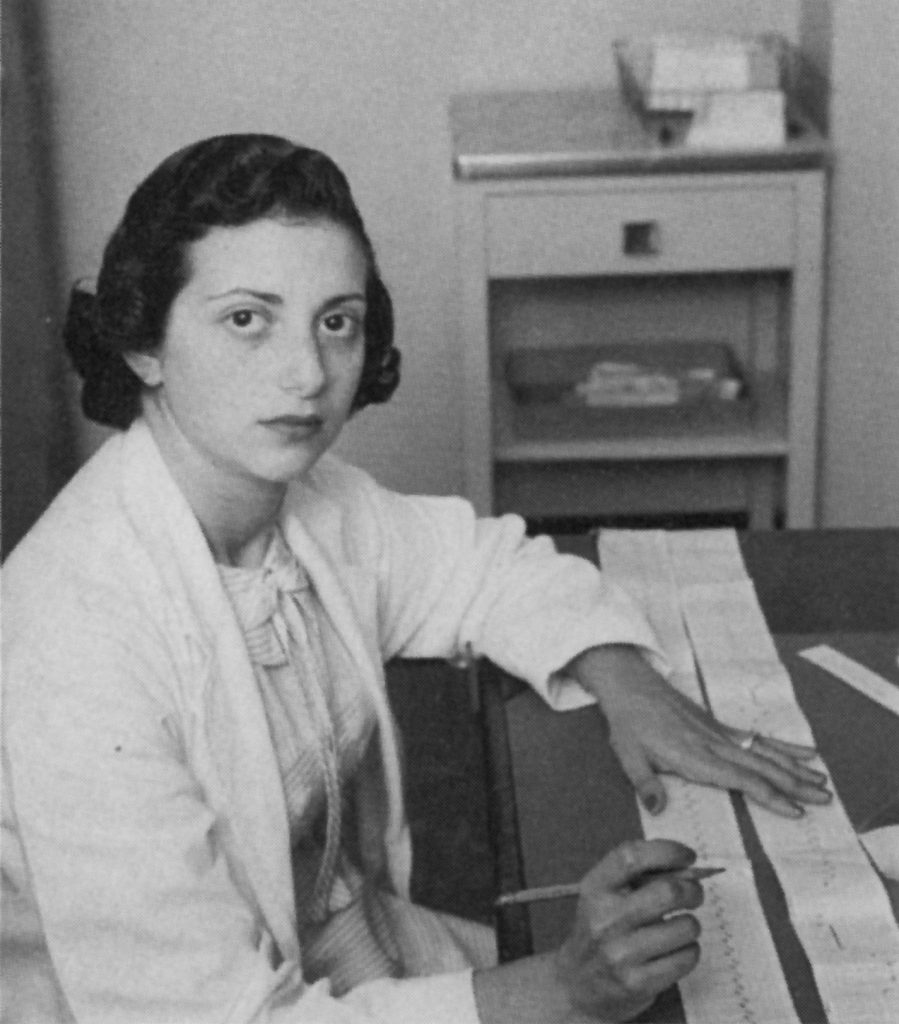
Considerable research was performed in the Division of Cardiology. This included projects in: heart failure by Richard Lasser, MD; cardiogenic shock by Leslie Kuhn, MD; computerized ECGs by Leon Pordy, MD; heart block by William Stein, MD; vectorcardiography by Arthur Grishman, MD; hemodynamics by Howard Moscovitz, MD and Alvin Gordon, MD; and echocardiography laboratory work by Louis E. Teichholz, MD. Additionally, Ephraim Donoso, MD was cited as an outstanding clinical teacher.
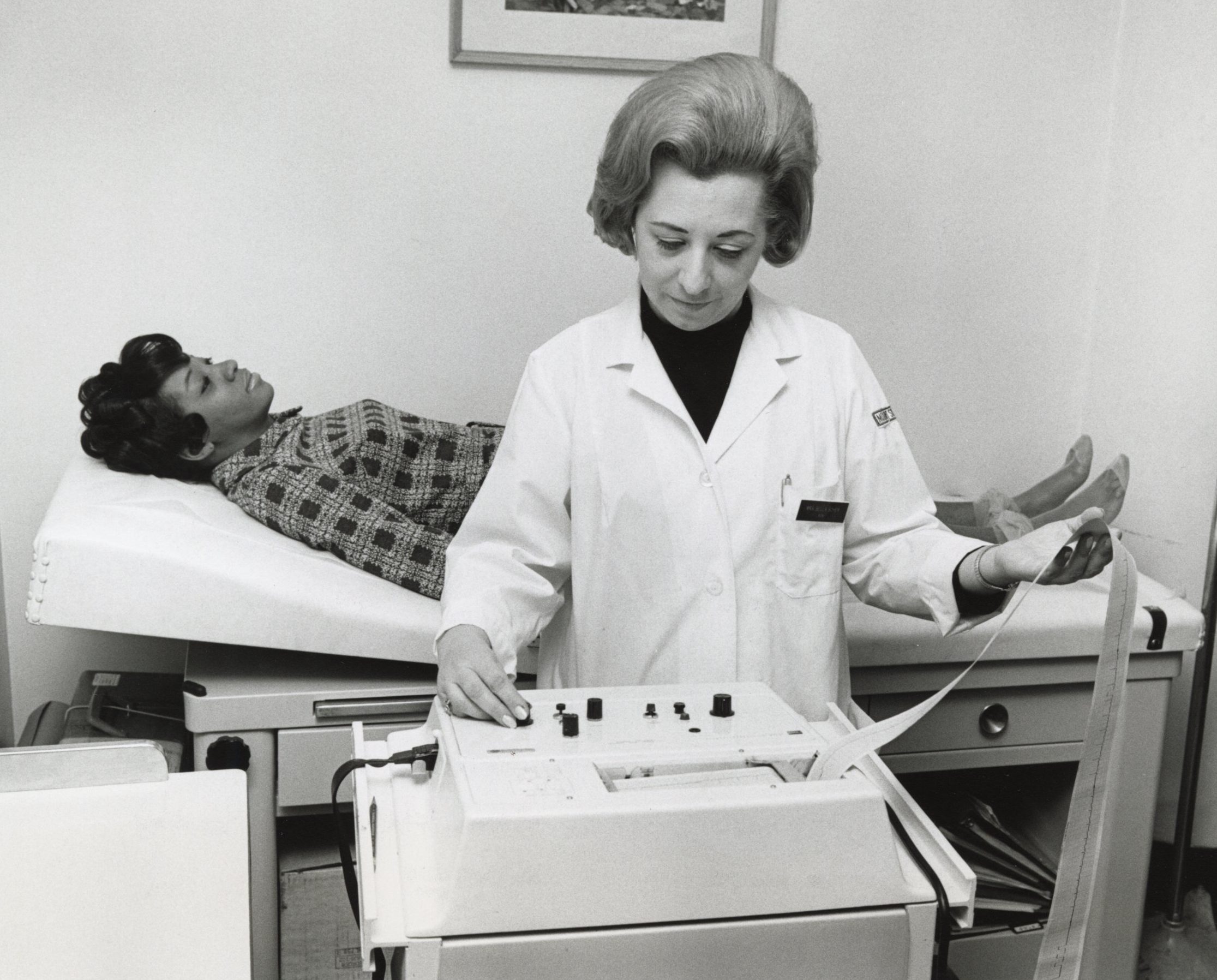
“Mrs. Bel Scher, supervisor of cardiology at Mount Sinai Hospital, has worked at her profession for fifteen years. She trained at one hospital, then worked at several others, even setting up a department of neurology at one of them. Posing as the patient is Miss Dorothy Rucker, who is a technician in the ECG department. In 1967 the average age of the 28 million working women in the U.S. was 41 years.”
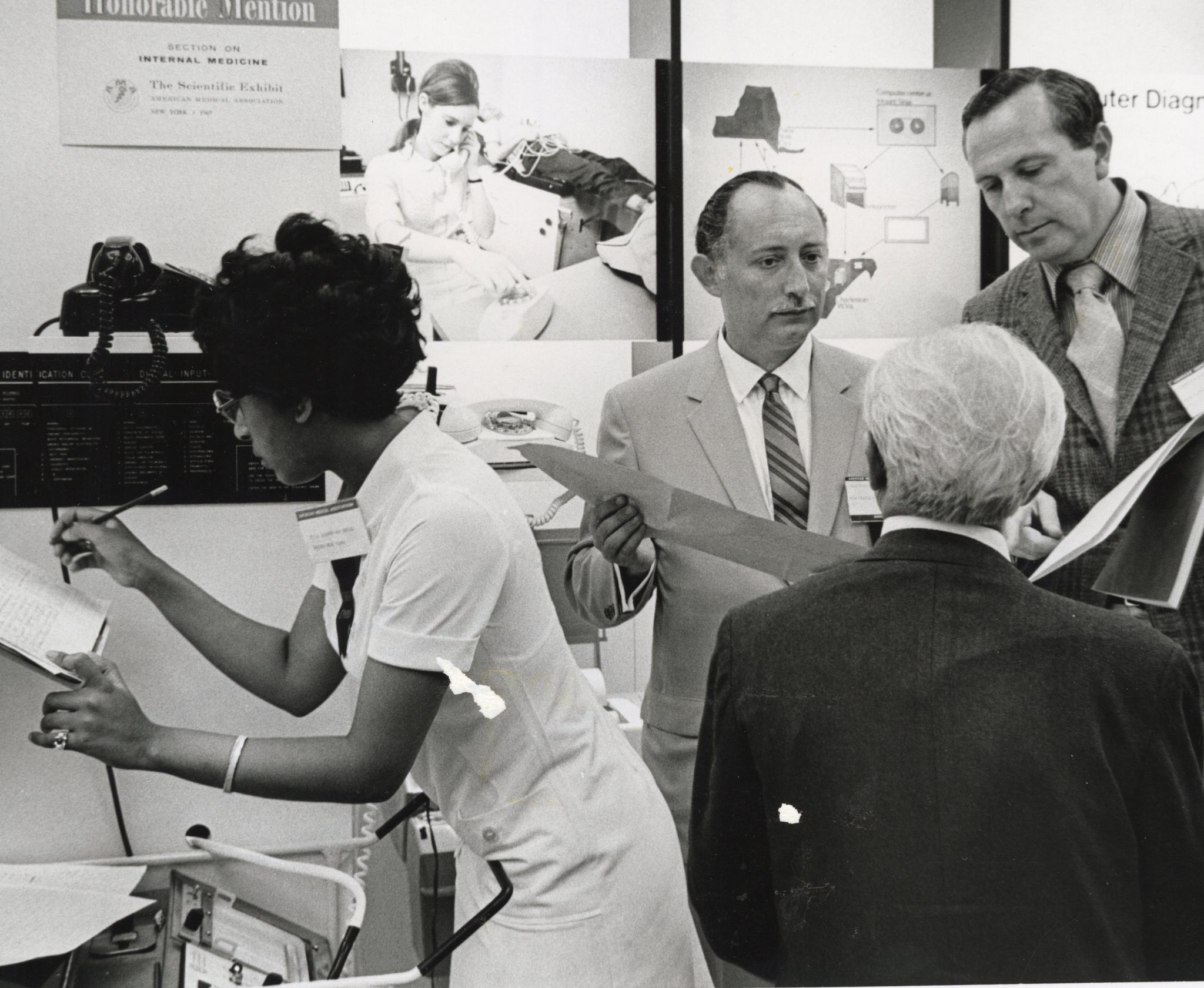
1969:Drs. Pordy and Chesky, go over a visitor’s cardiogram they have just taken, while Teodorina Bello, technician, makes a log entry. After running 172 EKG tests on physicians who visited the Mount Sinai booth, Dr. Pordy comes to the conclusion that many doctors should see a doctor.
1983
Valentín Fuster, MD, PhD was recruited from the Mayo Clinic to serve as the Chief of Cardiology. Dr. Fuster was already well known for his research on the relationship between platelet function and atherosclerosis, which helped unify researchers in these areas.
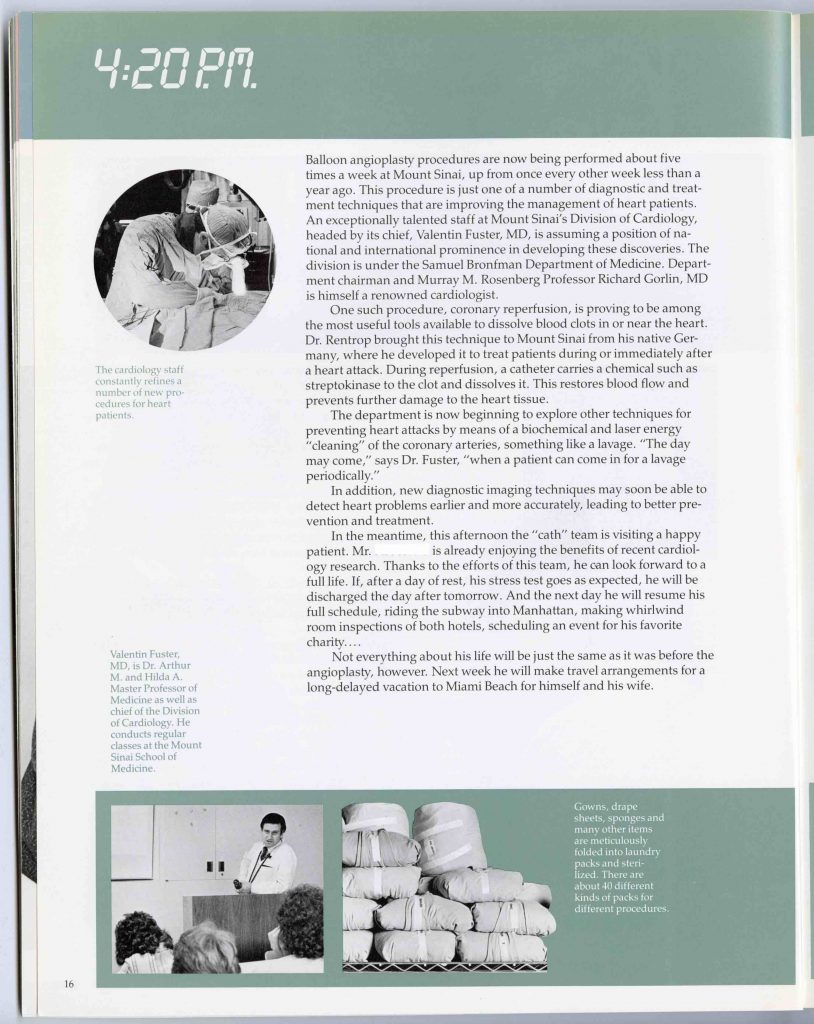
With a new year upon us, we recognize Mount Sinai’s historical milestones. It grounds us in the knowledge that our predecessors’ relentless efforts resulted in discoveries of what was once thought beyond medicine or science. The achievements of the Icahn School of Medicine at Mount Sinai and the Mount Sinai Health System throughout our histories inspire our work to greater heights.
Compiled by J.E. Molly Seegers, Michala Biondi, and Stefana Breitwieser
1824 – 200 years ago
The New York Eye and Ear Infirmary created its Otology Service, the first in the U.S.
1859 – 165 years ago
The Uterine Service (later renamed the Gynecology Service) was formed at Roosevelt Hospital, the first specialty service outside of the Medical and Surgical departments.
1874 – 150 years ago
New York Eye and Ear Infirmary surgeons began charting detailed accounts of their cases (already customary in Europe).
1884 – 140 years ago
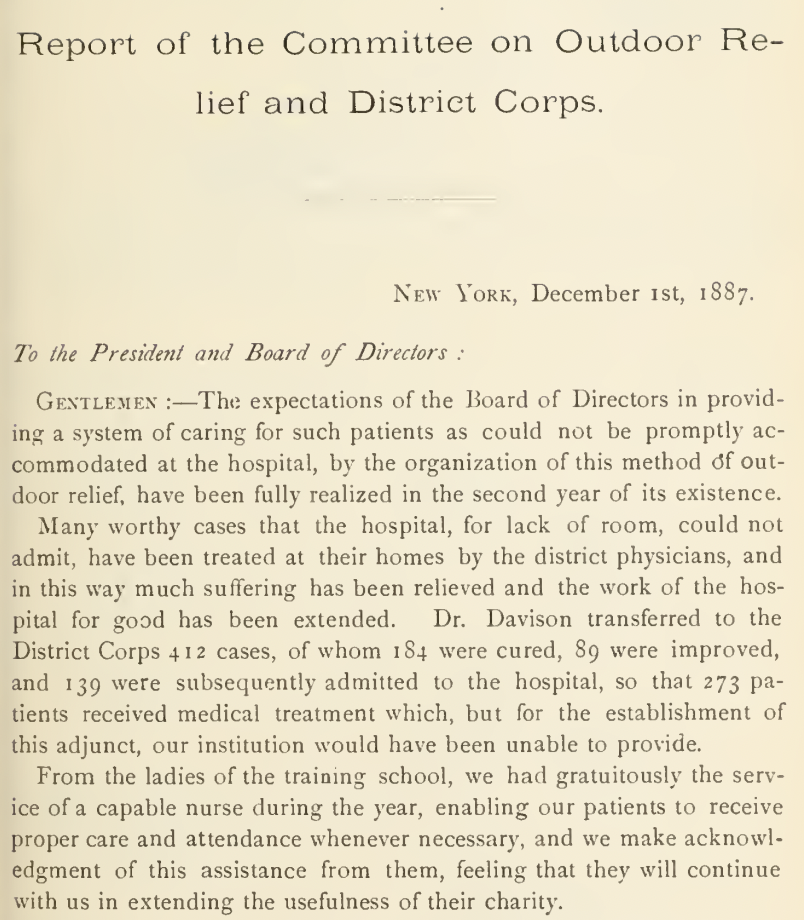
The Mount Sinai Hospital Board of Directors approved the creation of “Outdoor Visiting Physicians” which became the District Medical Service. 111 years later in 1995, the Mount Sinai Visiting Doctors Program took up this mantle by providing care to adults who are unable to leave their homes.
1889 – 135 years ago
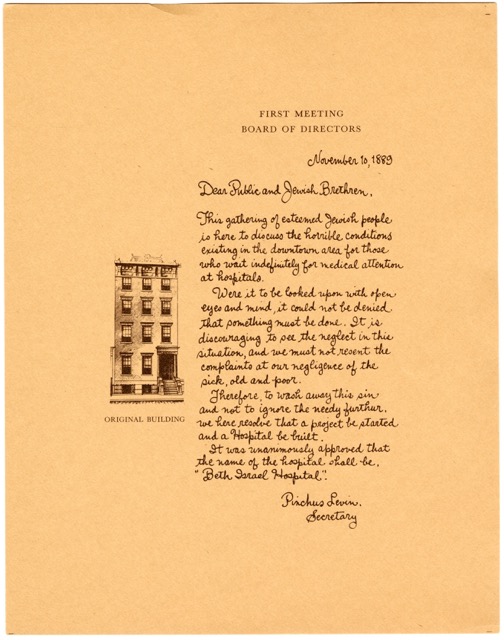
On December 1st, the Beth Israel Hospital was formed at the founding meeting of the Beth Israel Hospital Association held at 165 East Broadway. Beth Israel’s first physical location, a dispensary, opened in May 1891 between Henry Street and Madison Street, just underneath the Manhattan Bridge.
1889 – 135 years ago
On December 1st, the Beth Israel Hospital was formed at the founding meeting of the Beth Israel Hospital Association held at 165 East Broadway. Beth Israel’s first physical location, a dispensary, opened in May 1891 between Henry Street and Madison Street, just underneath the Manhattan Bridge.
Also in 1889, Daniel Guggenheim, one of seven sons of Meyer Guggenheim, became a Trustee of Mount Sinai Hospital, beginning a family relationship with the institution that persists today.
1899 – 125 years ago
As a result of the rigorous scientific environment, and so that their work would be “utilized in the interest of medical science and art,” Mount Sinai Hospital began publishing special reports describing various studies, statistics, and case summaries. The first volume was 347 pages.
Mount Sinai Hospital purchased four lots on the Southwest corner of Madison Ave and 101st St to build our third and current location. The cost was $140,000.
Roosevelt Hospital opened The Ward for Sick Children in the Accident building at W. 58th St. and Ninth Avenue. Abraham Jacobi, MD, widely known as the “Father of American pediatrics,” originally assumes charge of the ward. He had been on the staff of the Mount Sinai Hospital since 1860.
The New York Eye and Ear Infirmary’s Board of Directors created a Post-Graduate School for Nurses.
St. Luke’s Hospital established a policy of accepting tuberculosis patients. At the time, patients with “incurable” diseases were not accepted in most hospitals.
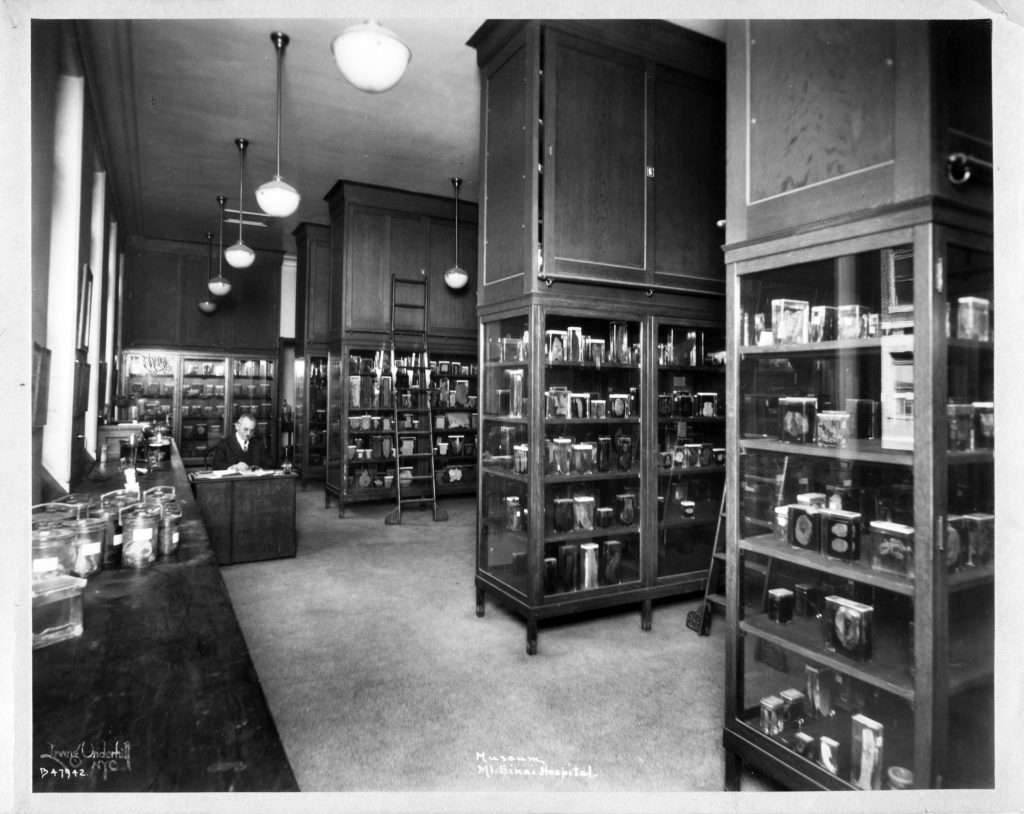
The pathology museum was founded at Mount Sinai Hospital.
1909 – 115 years ago
Nettie Shapiro, MD joined the house staff at Beth Israel Hospital, the first female member.
1924 – 100 years ago
All Mount Sinai Hospital
The Occupational Therapy Department was inaugurated, primarily for outpatient “mental cases.” Separately, a Therapeutic Kindergarten began, akin to today’s pediatric group therapy. Both began under the Social Service Auxiliary.
Annual Report stated, “intimate contact between the wards of the Hospital and the laboratories exists by virtue of the fact that a large number of the Attending Staff are permanent laboratory associates and assistants.”
Physicians emphasized “one of the most important developments of modern medicine is the study of end results”; requested unified medical records and “a much more elaborate social service organization” to tabulate and analyze. Foretelling the importance of data science.
Insulin was first administered for diabetes treatment. Recently introduced radium treatments numbered 2,798.
The Physiological Chemistry department furnished a trained assistant to take charge of a laboratory recently opened in the pediatric department. This was the first instance of a special research laboratory in one of Mount Sinai Hospital’s clinical departments.
Gertrude Felshin, MD joined the House Staff. For the next 39 years, she simultaneously held appointments in Pediatrics and Gynecology, as well as working as a Research Assistant in several laboratories: Endocrinology, Chemistry, and Pediatrics. Her work bridged the gap before there were obstetrics or reproductive science services.
A radiographic museum was created for teaching and studying roentgenograms (x-rays).
Statistics for the year:
22,407 total patients treated in Hospital and Emergency Ward
5,837 major surgical operations
181,505 consultations in Out-Patient Department
1939 – 85 years ago
St. Luke’s Hospital established the position of Director of Religious Activities. The department was said to have been a model for planning hospital religious departments throughout the country.
1949 – 75 years ago
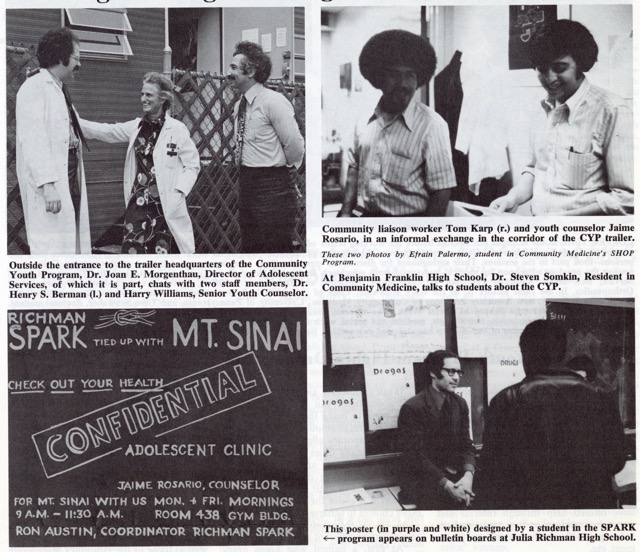
Mount Sinai Hospital’s Psychiatry Department established an adolescent clinic.
A new clinic to treat congenital heart disease was created at Mount Sinai Hospital.
Roosevelt Hospital established its Division of Psychiatry. New York State invited the Hospital to participate in its Psychiatric Pilot Plan which assigned a psychiatrist to each medical, surgical and specialty division in the hospital and out-patient services for support.
The Poliomyelitis service inaugurated at St. Luke’s Hospital. When NYC’s two contagious diseases hospitals were overwhelmed with patients, St. Luke’s—unique among the city’s voluntary hospitals—accepted and treated the overflow.
1974 – 50 years ago
Mount Sinai Medical Center’s Adolescent Health Center (AHC) was officially opened at 19 E. 101st St as all adolescent services were centralized in one building. It was the largest comprehensive care facility for adolescents in the country.
Mount Sinai Medical Center’s Medical Board amended the by-laws to provide full board membership for the Director of Nursing and the Director of Social Work. Thereby the first women on the Board were Dr. Gail Kuhn Weissman, Director of Nursing, and Dr. Helen Rehr, Director of Social Work.
Division of Neonatology was created by Farrokh Shahrivar, MD at St. Luke’s Hospital.
A private nurse-midwife practice opened at Roosevelt Hospital, ten years after the general nurse-midwife practice was instituted.
St. Luke’s Hospital’s Palliative Care Program was established for terminally ill patients, the majority of whom were cancer patients and later AIDS patients.
St. Luke’s Hospital School of Nursing held its last graduation and closed. During its more than eighty years of existence, over 4,000 women, and a few men, graduated.
1984 – 40 years ago
The Kathryn and Gilbert Miller Health Care Institute for Performing Artists opened at Roosevelt Hospital.
Beth Israel Medical Center created a geriatric psychiatry inpatient program. The New York Eye Trauma Center opened at the New York Eye and Ear Infirmary. Both were the first of their kind in New York City.
The Beth Israel School of Nursing was renamed the Phillips Beth Israel School of Nursing after Seymour Phillips, a member of the School’s Board of Trustees for more than forty years. Members of the Phillips family remain on the Board today.
1989 – 35 years ago
The Peter Krueger Clinic for the Treatment of Immunological Disorders at Beth Israel Medical Center was dedicated on First Ave by Trustee Harvey and Connie Krueger in memory of their son, Peter.
Mount Sinai School of Medicine students first used simulated patients to test clinical practice skills. The School soon received a gift to establish the Charles C., Marietta and Charles A. Morchand Center.
First woman chairman at Mount Sinai School of Medicine, Brenda Shank, MD, Ph.D. was appointed Chairman of Radiotherapy; she changed the department’s name to Radiation Oncology.
In cooperation with The Tokio Marine and Fire Insurance Co. Ltd., Beth Israel Medical Center established a medical service dedicated to Japanese citizens and tourists in the metropolitan area; it included “a bilingual, multidisciplinary medical practice” and was “modeled after Japanese medical protocols” that emphasize preventive medicine and extensive annual examinations.
Both Beth Israel and Mount Sinai were designated as AIDS centers.
1994 – 30 years ago
The Mount Sinai School of Medicine’s Department of Emergency Medicine became operational when Sheldon Jacobson, MD was appointed founding Chairman.
St. Luke’s-Roosevelt Hospital Center opened The Theodore B. Van Itallie Center for Nutrition and Weight Management under the Division of Endocrinology, Metabolism and Nutrition.
Lawrence S. Phillips donated $5 million to name the Zeckendorf Towers’ facility Philips Ambulatory Care Center. The gift commemorated their four generations of service to the Beth Israel Medical Center.
1999 – 25 years ago
Mount Sinai Medical Center purchased Western Queens Community Hospital (formerly Astoria General) for $40 million. With 235 beds, it was renamed The Mount Sinai Hospital of Queens.
Mount Sinai’s Dermatology Department founded the Skin of Color Center, the first of its kind, to focus on the numerous skin conditions which disproportionately affect people of color or require special evaluation techniques and treatments.
The Mount Sinai Medical School’s Department of Preventive Medicine, With the support of the Pew Charitable Trust, established the Center for Children’s Health and the Environment was the “nation’s first academic research and policy center established to examine the links between childhood illness and exposure to toxic pollutants.”
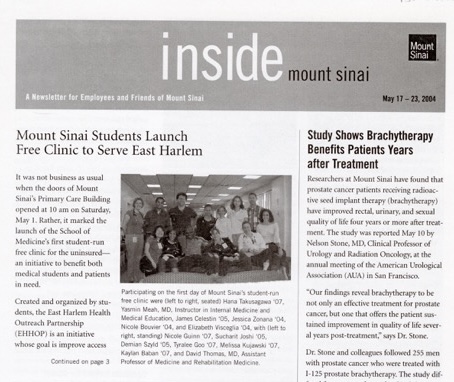
The East Harlem Health Outreach Partnership (EHHOP) clinic was created by Mount Sinai School of Medicine students. The goal was to provide high quality primary and preventative health care at no cost to uninsured residents of East Harlem.
The New York Eye and Ear Infirmary opened the Jorge N. Buxton, MD, Microsurgical Education Center.
2009 – 15 years ago
Roosevelt Hospital’s Headache Institute launched an Adolescent Headache Medicine Program to provide appropriate diagnosis and care for children suffering from migraines.
St. Luke’s-Roosevelt Hospital Center’s Division of Pulmonary Critical Care and Sleep Medicine and the Department of Rehabilitation Medicine opened the Pulmonary Rehabilitation Maintenance Program.
The American Nurses Credentialing Center re-designated Mount Sinai Hospital as a Magnet Award winning hospital, in recognition of superior nursing performance. It was the first full-service New York hospital to be re-designated.
Mount Sinai School of Medicine received a Clinical and Translational Research Award (CTSA) for $34.6 million. Research was conducted under a new centralized, multi- and interdisciplinary structure known as the Mount Sinai Institutes for Clinical and Translational Sciences (now ConduITS).
New York Eye and Ear Infirmary’s Facial Paralysis Rehabilitation Center opened.
Mount Sinai School of Medicine’s Ph.D. program in Clinical Research enrolled its first students. The master’s program was already ongoing.
2014 – 10 years ago
Mount Sinai West and the Mount Sinai Health System created the Kidney Stone Center offering minimally invasive treatment techniques and a holistic approach to prevention, the first such center in New York City.
The Icahn School of Medicine at Mount Sinai’s chapter of the American Medical Women’s Association (AMWA) held its inaugural meeting.
New York Eye and Ear Infirmary of Mount Sinai was the first in the United States to perform a series of autologous temporalis fascia transplants to the vocal fold to restore patients’ voices.
Daniel S. Loeb and his wife, Margaret Munzer Loeb, made a $15 million gift to establish the Ronald M. Loeb Center for Alzheimer’s Disease in memory of Daniel’s father, Ronald M. Loeb. Led by Alison Goate, PhD the Loeb Center will be a network of research programs, closely tied to clinical initiatives across the Mount Sinai Health System.
2019 – 5 years ago
Mount Sinai St. Luke’s and Mount Sinai West announced the creation of a new inpatient Addiction Consultation and Evaluation Service (ACES).
SafetyNet, an electronic adverse event reporting system, launched across the Mount Sinai Health System.
Dean Charney announced the creation of a Center for Biomedical and Population Health Informatics, which was co-sponsored by the Department of Population Health Science and Policy and the Scientific Computing group.
Mount Sinai Health System kicked off the Diversity Innovation Hub to address social determinants of health and representation of women and minorities in health care.
The Icahn School of Medicine at Mount Sinai started the Institute for Transformative Clinical Trials to provide translational and clinical researchers throughout the Health System with the interdisciplinary expertise to design, conduct, and analyze innovative clinical trials.
A new research center, The Lipschultz Center for Cognitive Neuroscience within the Nash Family Department of Neuroscience and The Friedman Brain Institute at the Icahn School of Medicine at Mount Sinai, was created to focus on understanding the neural mechanisms of higher cognitive function and apply this knowledge to the diagnosis and treatment of disorders of cognitive function in humans.